Ah, internationalism—a fancy term that promises peace and cooperation. Robert Taft, the conservative icon, saw it more as a noisy disturbance than a harmonious melody. To Taft, internationalism was like a potluck where everyone brings a dish, but no one wants to eat the quinoa salad, and everyone ends up wishing they’d just made a peanut butter sandwich at home.
Picture a world where borders are as see-through as a politician’s promises. Taft, ever the skeptic, warned that internationalism could easily become a charade of sovereignty, where national interests get as diluted as a weak cup of coffee. And we all know how Republicans feel about that.
Here’s the scoop: Taft was all about protecting national interests, like a mother bear guarding her cubs. He believed each country should be free to do its own thing without getting tangled up in the web of international organizations. It’s not that Taft was against working together; he just knew that putting all your faith in a ‘world government’ is a recipe for disaster.
Taft’s View on Internationalism
In Taft’s eyes, internationalism often looked like a big, messy bureaucracy—kind of like trying to explain free markets to someone who thinks money grows on government trees. He argued that thinking diplomacy can solve everything ignores a key conservative value: individual sovereignty. It’s the idea that a person, just like a country, should succeed on their own merits, not by following orders from far-away bigwigs.
Key Points of Taft’s Internationalism Critique
- Sovereignty: Nations should maintain independence in decision-making
- National Interests: Prioritize domestic concerns over international obligations
- Skepticism: Caution against excessive faith in international organizations
- Individual Freedom: Emphasis on personal liberty and national self-determination
But bless their hearts, the left seems to think countries should join hands and sing “Kumbaya” at every world conference. Meanwhile, in Robert Taft’s America, the focus was on strong defense, keeping a sharp eye on global politics, and making decisions that weren’t swayed by international whims like a leaf in the wind.
This is probably why conservatives who appreciate a healthy dose of common sense remember Taft fondly. They prefer his practical approach over idealistic plans that seem about as sturdy as a house of cards in a windstorm. After all, conservatism teaches us that while good fences make good neighbors, strong nations ensure their own success without looking like a kid in a candy store at some diplomatic shindig.
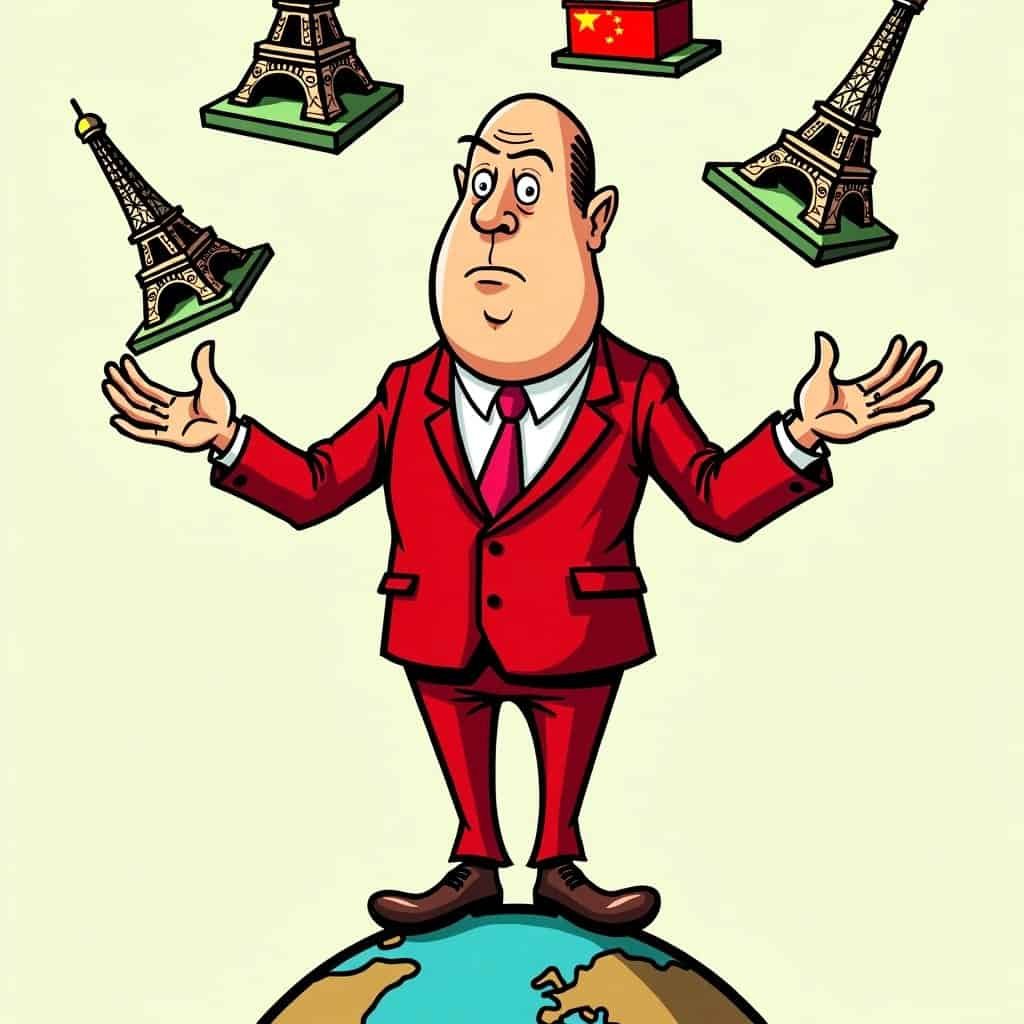
The Balancing Act
So, as we think about the tightrope walk between international teamwork and national independence, let’s take a page from Taft’s book. Too much internationalism, and you might find yourself stuck in a swamp of compromises. And boy, would Taft have gotten a kick out of the idea of trading America’s independent spirit for a seat at the never-ending table of international squabbles.
True to the Huxtable family’s wit: “When it comes to all parties involved, let’s not base our choices on what’s popular. The nation’s strength comes from making its own decisions.”