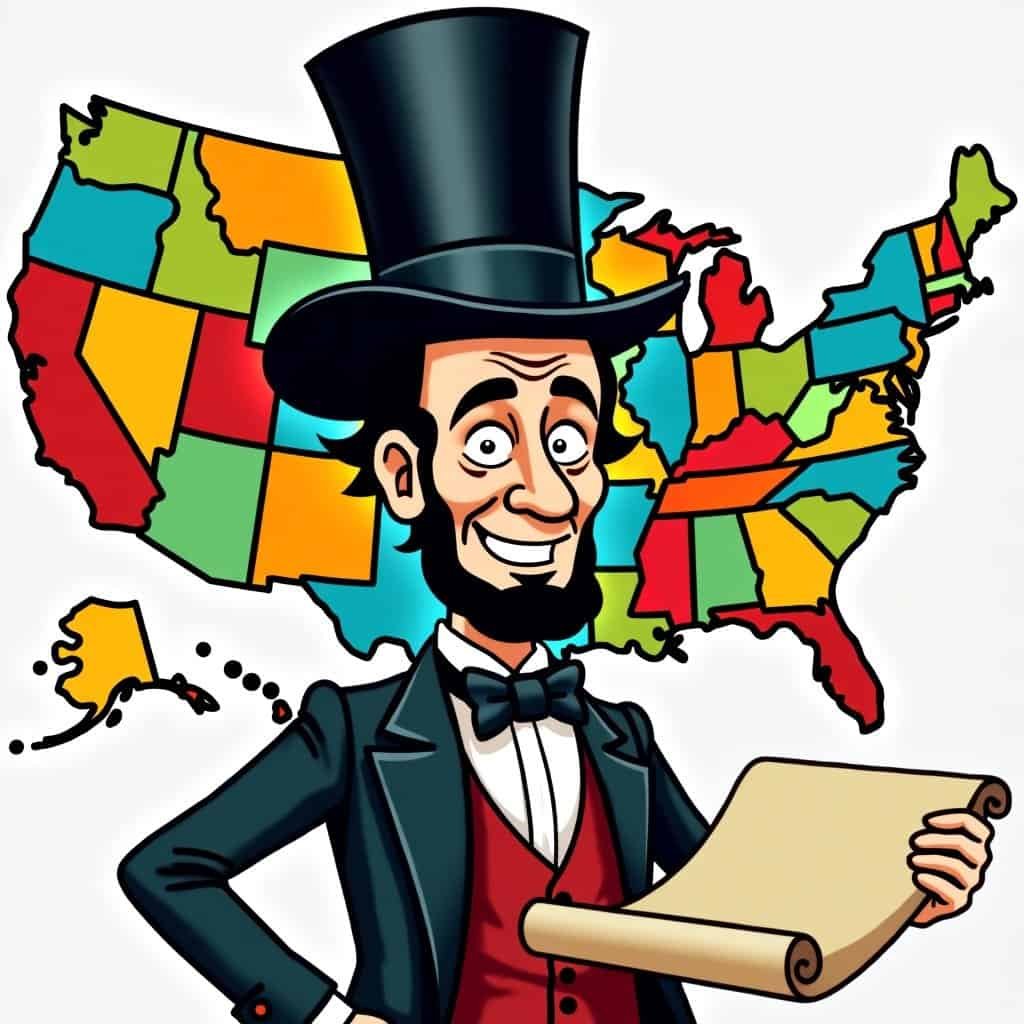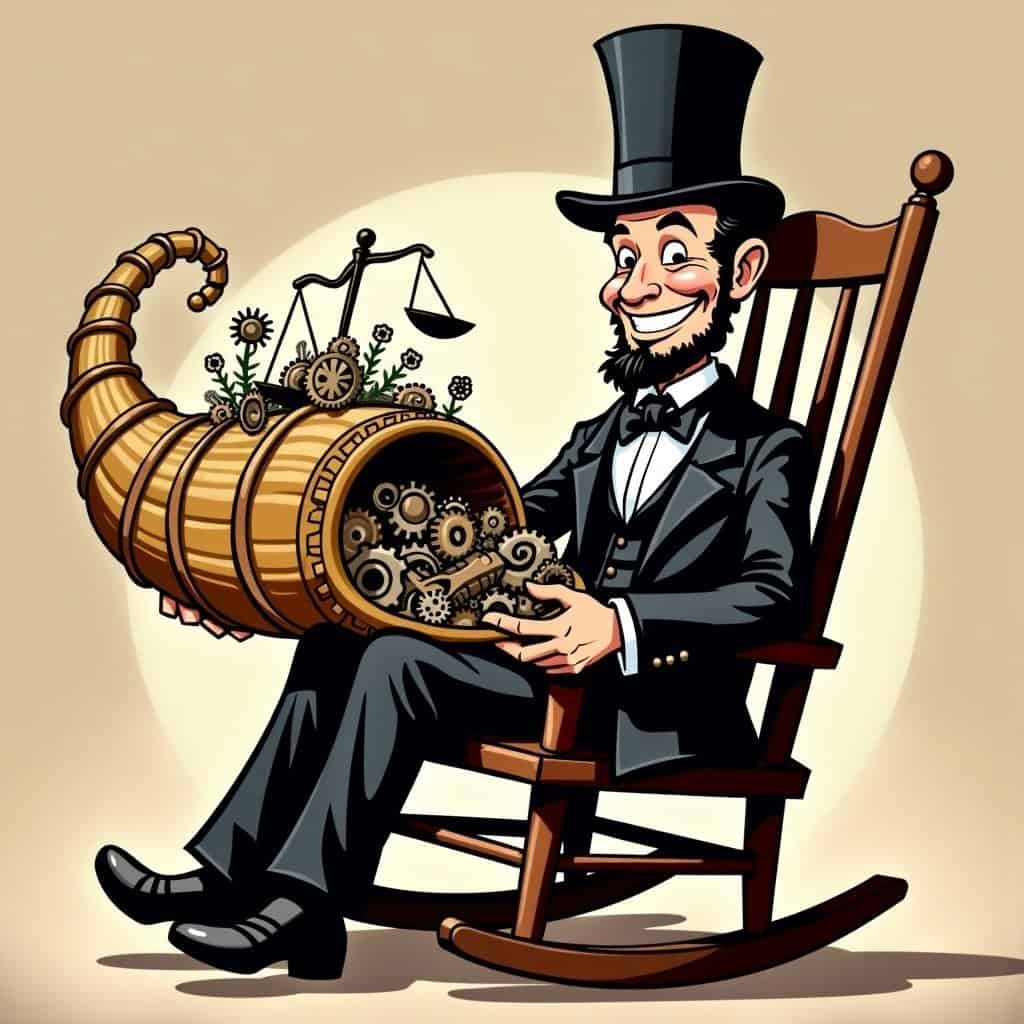
Pull up a chair, my fellow conservatives, for a tale of one of our own: Abraham Lincoln. Now before you raise an eyebrow and think, “Wasn’t he a Republican?” let me assure you: Honest Abe was a shining example of conservative virtues long before Instagram was a thing.
In today’s world, unity between opposing sides may feel as rare as unicorn sightings. But back in the 1860s, Lincoln had this vision of bringing together the North and South, and let me spill some tea—it wasn’t with government handouts or tax hikes. Oh no, it was all about those cherished conservative values that stack up like our grandma’s favorite apple pie recipe.
Lincoln knew taxation wasn’t the ultimate glory in building a nation. He believed in a mutually beneficial system that preserved dignity (rather than doling out entitlement), because frankly, no one really enjoys having Uncle Sam breathing down their neck, am I right?
Lincoln’s Approach to Unifying America
Picture the scene: America on the brink of tearing itself apart like an old Sunday coupon. Lincoln’s task was to patch things up—without the promise of endless queues for handouts or speeches that put everyone to sleep faster than counting sheep.
What did he do, you ask? He prioritized opportunities over outcomes—a core conservative value. Instead of equalizing results, he ensured everyone had a shot at success. Lincoln was all about personal responsibility. Give folks a ladder, not a stroller, he might have said if he were alive today.
Lincoln’s Conservative Values
- ✅ Personal Responsibility
- ✅ Limited Government
- ✅ States’ Rights
- ✅ Individual Liberty
- ✅ Economic Opportunity
Our old friend Abe may not have been able to churn handmade pasta, but he understood the importance of states’ rights over federal overreach. He knew that sometimes folks at the local level—those who know the ambiance of their communities and the nuances of issues—could address them better than some distant officials shuffling papers in an air-conditioned office.
Unity Through Prosperity, Not Bureaucracy
Lincoln clearly showed that when you’re running a tight ship, it’s about sailing towards prosperity rather than getting bogged down in bureaucracy. So, while the Democrats might have been stockpiling government programs like canned soup, Lincoln pushed initiatives that would allow individuals to thrive independently—and isn’t that what freedom fondly stands on?
Lincoln’s approach makes even more sense today, especially with progressives continuing to push for more government intervention. We conservatives know that the beauty of a self-reliant individual mirrors that of a well-oiled machine. It runs smoother, works harder, and shines brightly without someone constantly fiddling with the on/off switch.
Lincoln’s Legacy: A Conservative Beacon
Ultimately, to unite the North and South, Lincoln did more than deliver speeches with vigor—he demonstrated stability and a vision rooted in independence, and not dependency. It’s a message that speaks louder than a thousand political ads ever could.
So, next time you toast to liberty, or get misty-eyed whilst watching re-runs of “The Notebook,” remember Honest Abe, a man who believed in unity through the power of conservative values, long before it became cool again. May his wisdom continue to guide us and remind us that unity doesn’t come packaged with promises of more governmental meddling but by empowering individuals. Now, who wouldn’t want to raise an American flag to that?
Table of Contents
- Lincoln’s Approach to Unifying America
- Unity Through Prosperity, Not Bureaucracy
- Lincoln’s Legacy: A Conservative Beacon