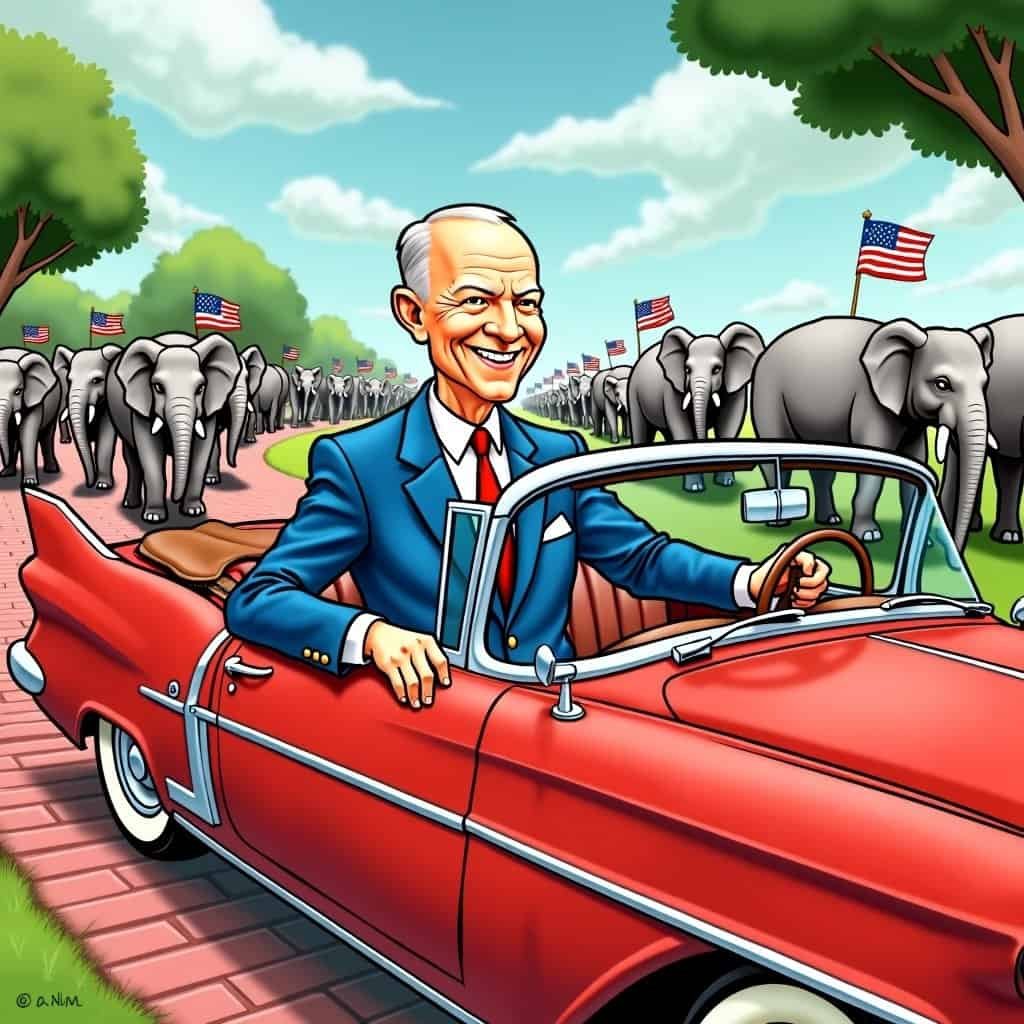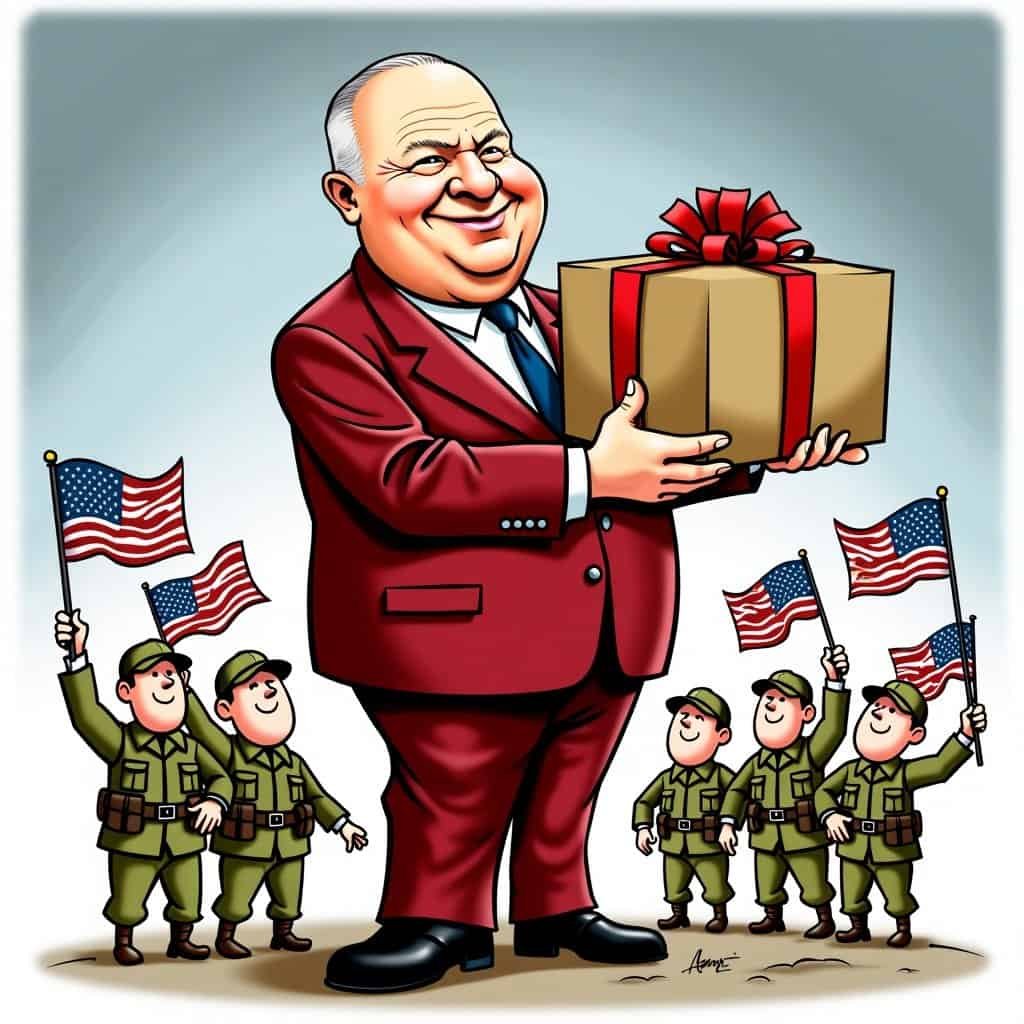
Gather ’round, dear fellow Americans, for a tale of courage and wisdom, straight from the Eisenhower era—that golden age of American greatness! We’re going to explore a topic close to every patriot’s heart: Dwight D. Eisenhower and the expansion of veterans’ benefits. Buckle up, as we journey through history, viewed through a conservative lens and seasoned with a dash of good old-fashioned humor.
It’s common knowledge that Dwight D. Eisenhower, a decorated five-star general turned president, had firsthand experience with military life and understood the sacrifices our brave service members make. With his army cap proudly displayed, Ike recognized the importance of supporting veterans. Simply surviving after service wasn’t enough; they needed a real shot at success in civilian life too. So, let’s tip our hats to Ike’s expansion of veterans’ benefits—America’s way of showing genuine appreciation.
Back in the mid-20th century, our beloved Ike implemented policies that went above and beyond in support. But don’t get the wrong idea! This wasn’t about creating dependency. Not at all. It was about empowering individuals—a fundamental conservative principle. Think of it as giving a boost, not a free ride.
Eisenhower’s Vision for Veterans
Imagine this scenario: A veteran returns home, welcomed not just with apple pie but also with opportunities for education, employment, and housing. It was about creating a path to success and self-reliance. You could almost see Benjamin Franklin nodding in approval from the afterlife. Ike’s approach was a step towards building a society where the pursuit of happiness wasn’t just a lofty ideal but a tangible reality.
Key Components of Eisenhower’s Veterans’ Benefits Expansion
- Education opportunities (G.I. Bill)
- Employment assistance programs
- Housing support initiatives
- Healthcare services
- Vocational training
Unlike the high-tax, wealth-redistributing policies favored by our liberal friends, Ike’s measures showcased an America investing in its citizens and their potential to give back to society. Lower taxes and private sector innovation—that’s the recipe for economic growth! Ike’s strategy, rooted in fostering prosperity through personal responsibility, continues to have a lasting impact. Above all, this foresight created an environment where merit is the gold standard—a hallmark conservative principle.
Conservative Principles in Action
You can almost hear echoes from the past reminding us that equal opportunity, not equal outcomes, is the true American dream. How about we call it a redistribution of responsibility? Let’s compare Eisenhower’s strategy to planting conservative seeds in rich soil—they grow into mighty oaks of prosperity, not just saplings! Every veteran re-entering civilian life had the chance to turn those benefits into a thriving future. Now that’s a legacy even the Founding Fathers would raise a glass to.
The Ripple Effect of Veteran Support
- Increased workforce productivity
- Economic growth through educated citizens
- Stronger communities with empowered veterans
- Reduced long-term dependency on government assistance
- Inspiration for future generations to serve
Sure, liberals might chatter about systemic changes and whatnot, but beneath the chorus of “kumbaya,” there’s an undeniable truth—freedom thrives when it’s earned, not doled out with a heaping spoonful of taxpayer money. Eisenhower understood this, and so do the American people. This approach helps the prosperity pie grow larger without burdening our children with an endless cycle of taxation.
Eisenhower’s Lasting Legacy
So, the next time someone paints conservative policies as mere penny-pinching, point them towards the Eisenhower school of thought. It wasn’t just about saving pennies but making them work in harmony for the benefit of veterans—America at its finest.
Here’s to Dwight D. Eisenhower, a hero on the battlefield and the home front, who grasped that helping our veterans integrate means helping America flourish! A shining example for all who hold dear conservative values. Thank you, Ike, for setting the course towards empowerment and ensuring that veterans had more than a fighting chance—they had a victory march.