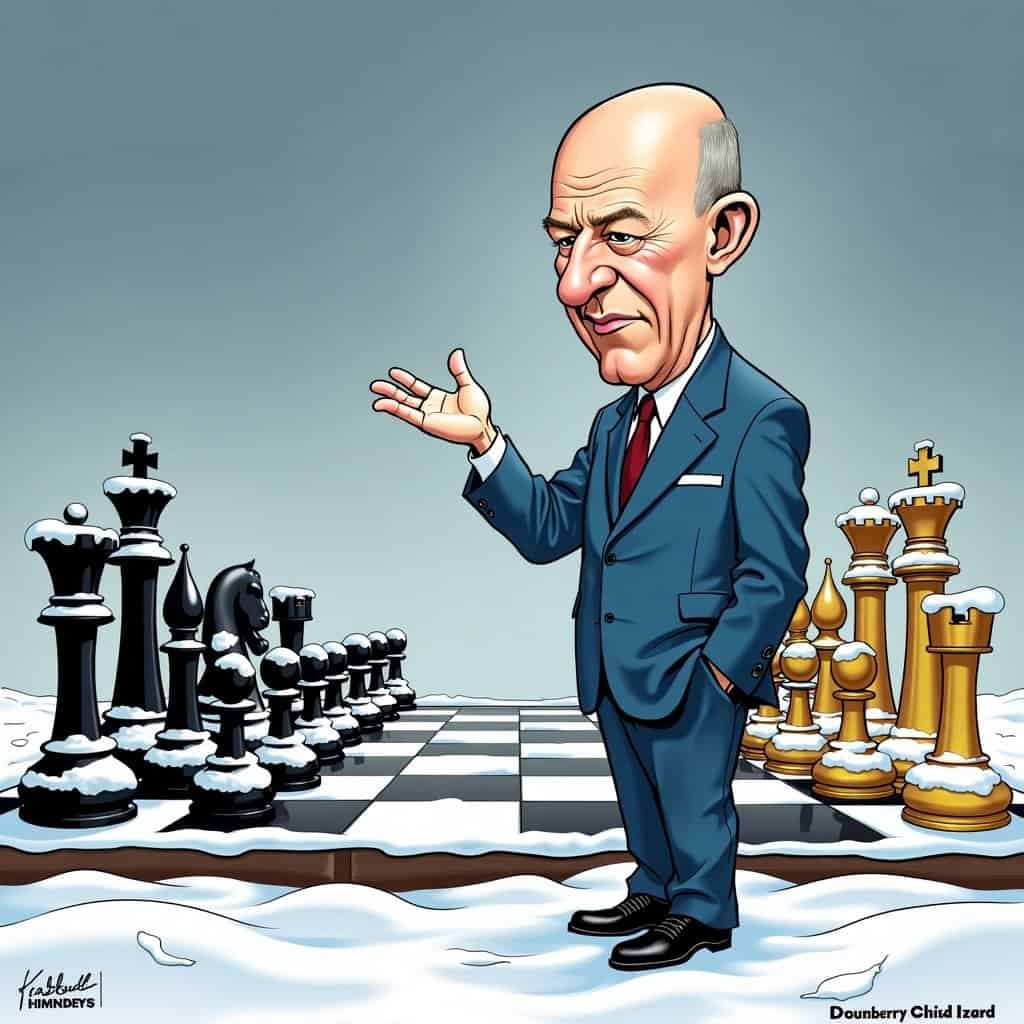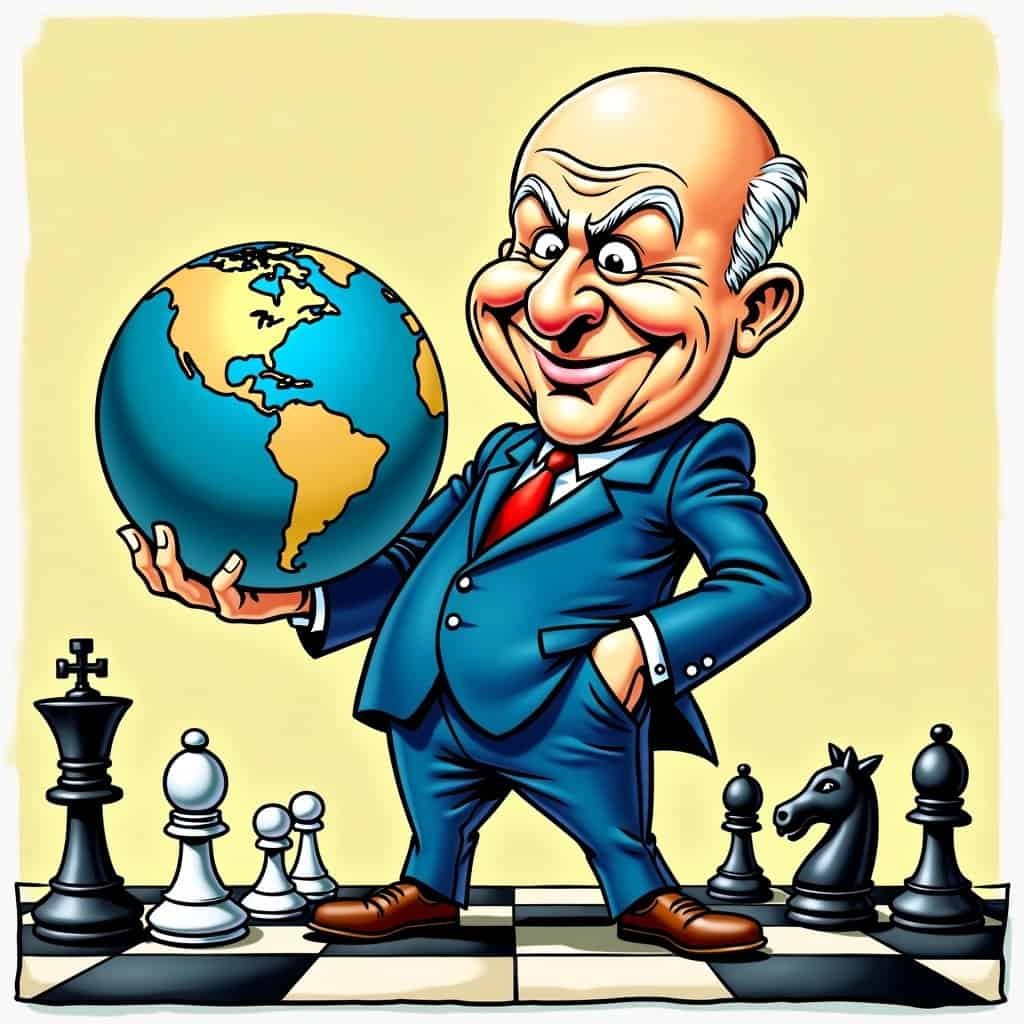
When you picture Dwight D. Eisenhower, you might imagine a guy who could handle a tank crisis while keeping his golf swing in top form. This fella wasn’t just any ordinary president; he was a security virtuoso, using the Mutual Security Act like a magic wand to create a world that danced to America’s tune.
Now, don’t go thinking the Mutual Security Act was just about tossing money across the pond like it was going out of style. Oh no, this was Ike’s clever way of making sure America’s good old-fashioned values—you know, the ones that say “hands off, government” and “keep that military strong”—stood tall against those pesky communists. When Eisenhower put his name on that dotted line, it was like he winked at Uncle Sam and said, “Go on, be the cool uncle, but remember, we’re not running a charity here!”
And here’s the kicker: this whole shebang married American generosity with the kind of economic growth that makes conservatives weak at the knees. You might be scratching your head, wondering how ol’ Ike pulled this off without turning the country into one big government handout. Well, Eisenhower and his band of free-market-loving pals rounded up allies quicker than you can say “lower taxes” and set up America as the big brother who’s always ready to share a few tips on freedom and making bank.
Breaking Down the Mutual Security Act
| Component | Description |
|---|---|
| Technology Transfer | Sharing American know-how with allies |
| Military Deals | Strengthening defense partnerships |
| Economic Support | Promoting free-market growth in allied nations |
| Diplomatic Leverage | Ensuring American interests were protected |
But don’t think for a second this was just a friendly pat on the back. The act came with some tech sharing, a dash of military deals, and a firm handshake that said, “We’ll help you out, but don’t you dare turn your economy into some wacky liberal experiment.” This wasn’t just playing defense; it was like a high-stakes poker game where America always had an ace up its sleeve. Now, that might make some liberals scratch their heads, but come on, it wasn’t about creating dependency—it was about cooking up opportunities. And who doesn’t love the smell of fresh opportunities in the morning?
Let’s not forget that Ike was playing in a world where power wasn’t just about who had the biggest guns, but who had the most friends around the globe. Every buck spent wasn’t just a number on a ledger; it was a piece of the great American puzzle, built on good old-fashioned values like pulling yourself up by your bootstraps and chasing that American dream. It was like capitalism was playing chess while everyone else was still figuring out checkers. Now that’s the kind of strategy that gets conservatives excited!
Eisenhower’s Global Strategy
- ✓ Strengthen alliances through economic cooperation
- ✓ Promote American values and free-market principles
- ✓ Counter communist influence with strategic partnerships
- ✓ Leverage aid to protect American interests abroad
- ✓ Foster self-reliance in allied nations
Sure, some folks on the other side of the aisle might think this approach was about as subtle as a bull in a china shop. But any card-carrying Republican will tell you that sticking to your guns isn’t about making everyone happy—it’s about knowing that a government that doesn’t stick its nose where it doesn’t belong, combined with a strong vision for the future, works best when America’s the one calling the shots.
So next time you hear a liberal going on about how big government is the answer to all our foreign policy woes, just remind them of Ike’s genius with the Mutual Security Act. Let’s raise a glass to the GOP maestro who orchestrated a symphony of patriotism with a grand finale of prosperity for anyone willing to stand shoulder to shoulder with American ideals and free-market principles.