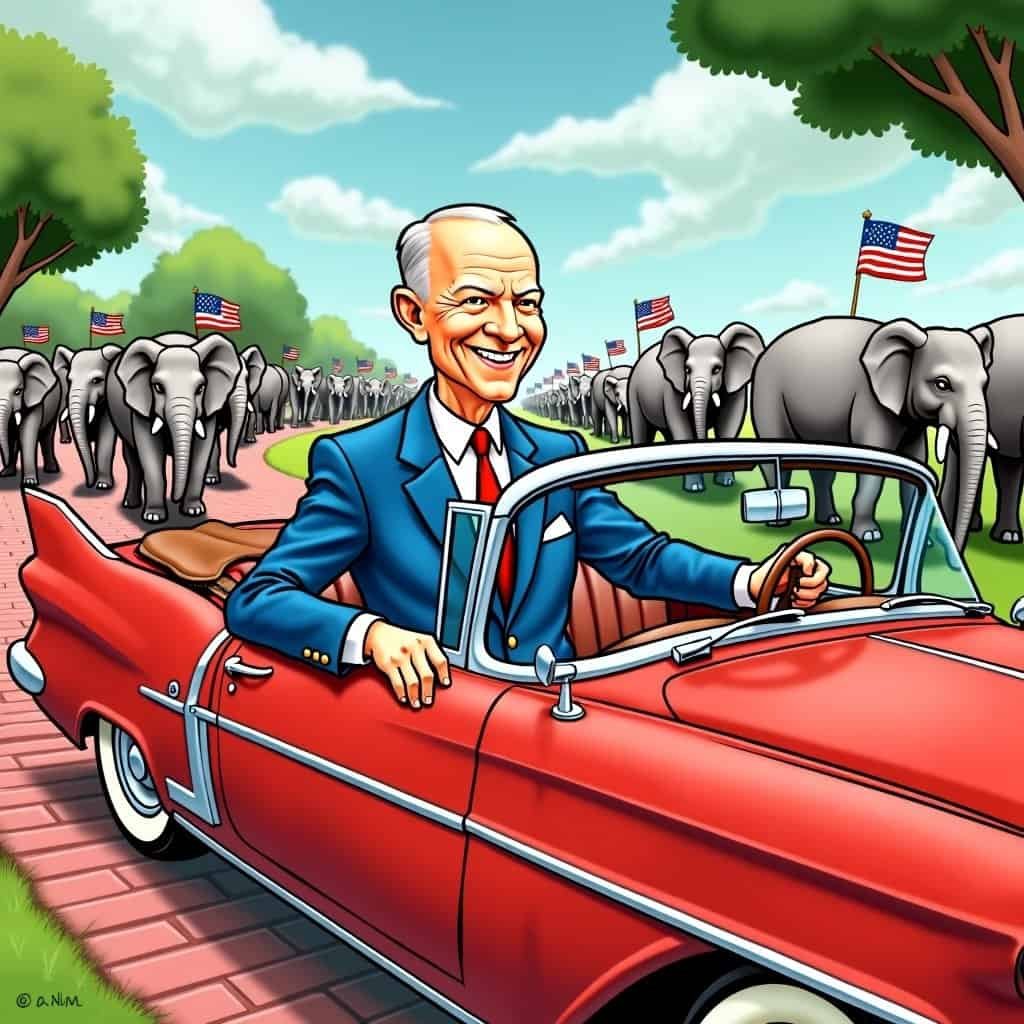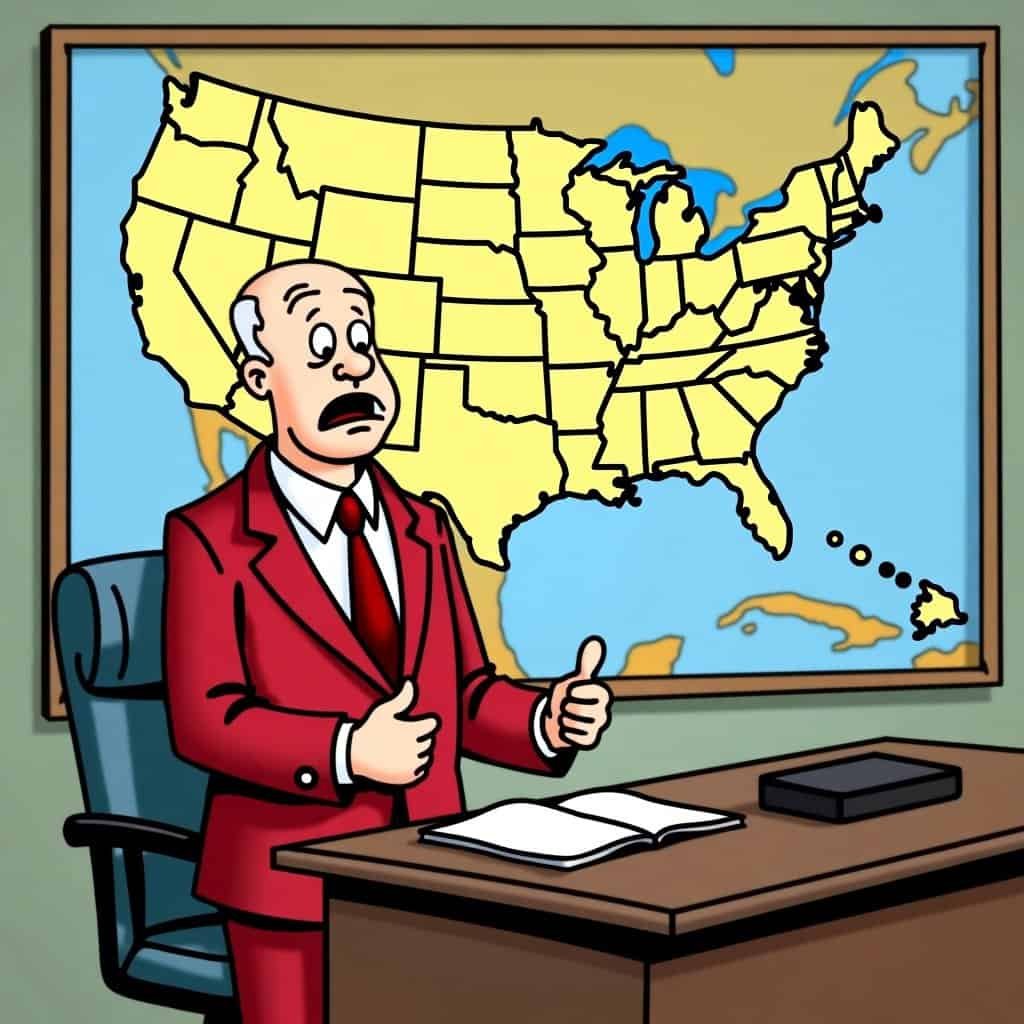
In the wild rollercoaster ride of American history, few acts are as bold and brilliant as Eisenhower’s decisive move in adding the final puzzle pieces to our great union: Alaska and Hawaii. Yep, good ol’ Dwight D. Eisenhower took a nail-biting leap, grabbing the metaphorical musket and waving the flag of statehood for these distant outposts.
Now why, you might ask, would the darling general turned president go all in for two territories separated by thousands of miles of land and sea? Well, it turns out Ike had a knack for seeing things others missed. He saw Alaska’s immense natural resources and Hawaii’s strategic military positioning as plum ingredients for beefing up the republic. This was a play straight from the conservative playbook of strengthening America through resource independence and solid military alliances – a strategy that sounds like common sense, yet seems to baffle the progressive crowd.
Alaska: A Resource Goldmine
Republicans, always the sharp cookies when it comes to fiscal matters, understood Alaska’s resource-rich land meant big bucks without big taxes – quite a conservative dream. It’s the kind of smart thinking where the wealth doesn’t need to be spread around because, with proper management, there’s just plenty to go around. The Grand Old Party’s insight here wasn’t just about accepting new states but rather spotting opportunities like any savvy business mogul would.
Alaska’s Natural Resources
- 🛢️ Oil: 17% of U.S. crude oil production
- 🌲 Timber: 17 million acres of forest
- 🐟 Seafood: Over 50% of U.S. wild seafood harvest
- 💎 Minerals: Gold, zinc, copper, and more
Hawaii: More Than Just Paradise
Let’s not forget Hawaii, more than just a tropical getaway where journalists flock and politicians dare vacation. The introduction of Hawaii into the Union was all about beefing up national defense. These islands are more than sunshine and hula skirts. They are America’s unsinkable aircraft carrier in the middle of the Pacific, keeping an eye on the western shores. It’s like the ultimate home security system before it was even a thing. Penny-pinching with a strategic twist, you could say – a very Eisenhower thing to do.
Eisenhower’s Conservative Vision
Through these statehood decisions, Eisenhower highlighted the conservative belief in standing on your own two feet – developing resources at home to avoid relying on others. While the liberal crowd might argue that statehood meant more federal spending, Eisenhower’s plan was all about conservative values. Here’s a union made stronger through its own smarts and self-reliance, not tied to government handouts.
To pull off this statehood feat, Eisenhower had to navigate some tricky political waters. But who better to do it than a wartime hero who knew a thing or two about strategy? His smooth handling showed the classic conservative approach: get things done, don’t wait for red tape to trip you up. While the liberal progressives were tying themselves in knots over sharing the wealth, Eisenhower and his conservative pals were planting a flag on independence’s highest peak.
Lasting Impact
Looking back, Eisenhower’s addition of Alaska and Hawaii was a smart bet that paid off big time for Republican values of military strength and economic smarts. It’s a reminder – often forgotten in today’s noise – to grab opportunities that don’t need fancy government programs or too much meddling. Because, as the saying goes, why mess with a good thing? Here’s to Dwight – the man, the myth, the President, who didn’t just polish his stars and stripes but added a bit more sparkle to them.
Table of Contents
- Alaska: A Resource Goldmine
- Hawaii: More Than Just Paradise
- Eisenhower’s Conservative Vision
- Lasting Impact