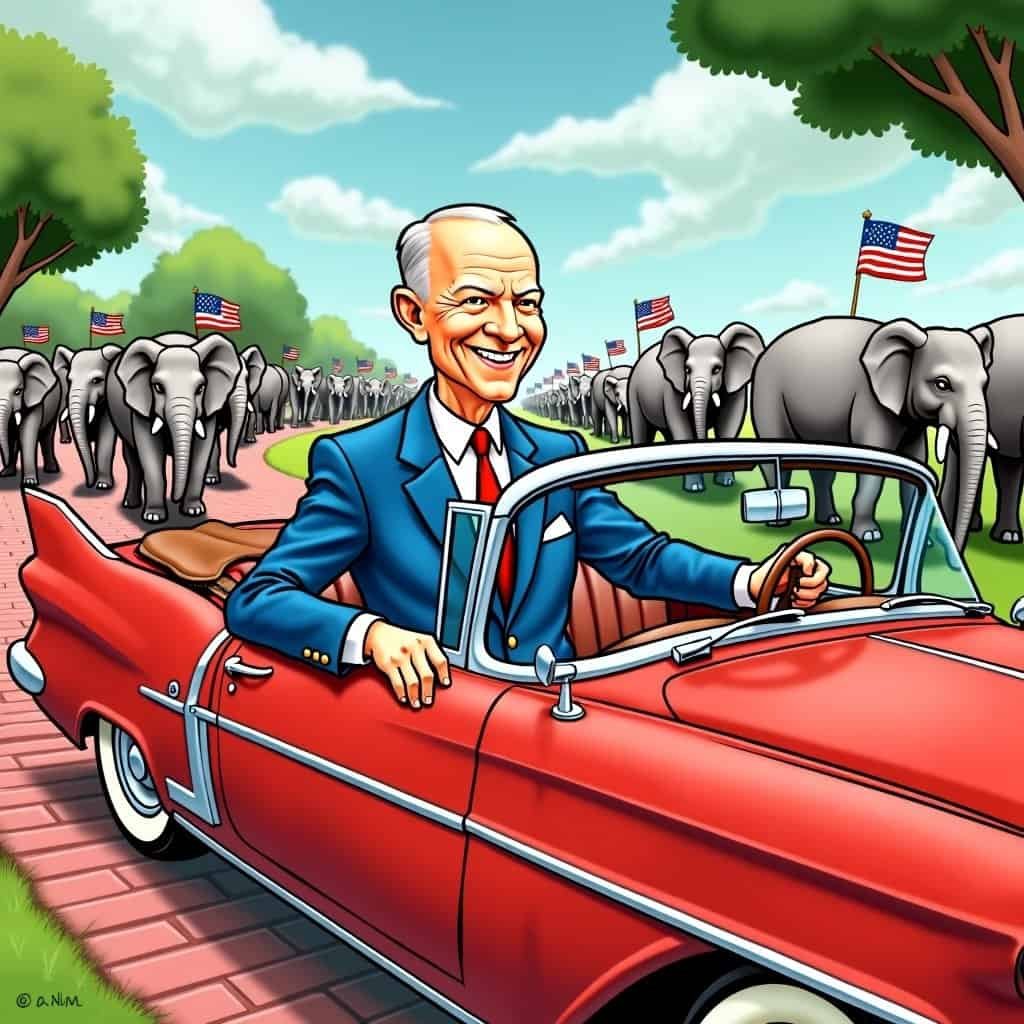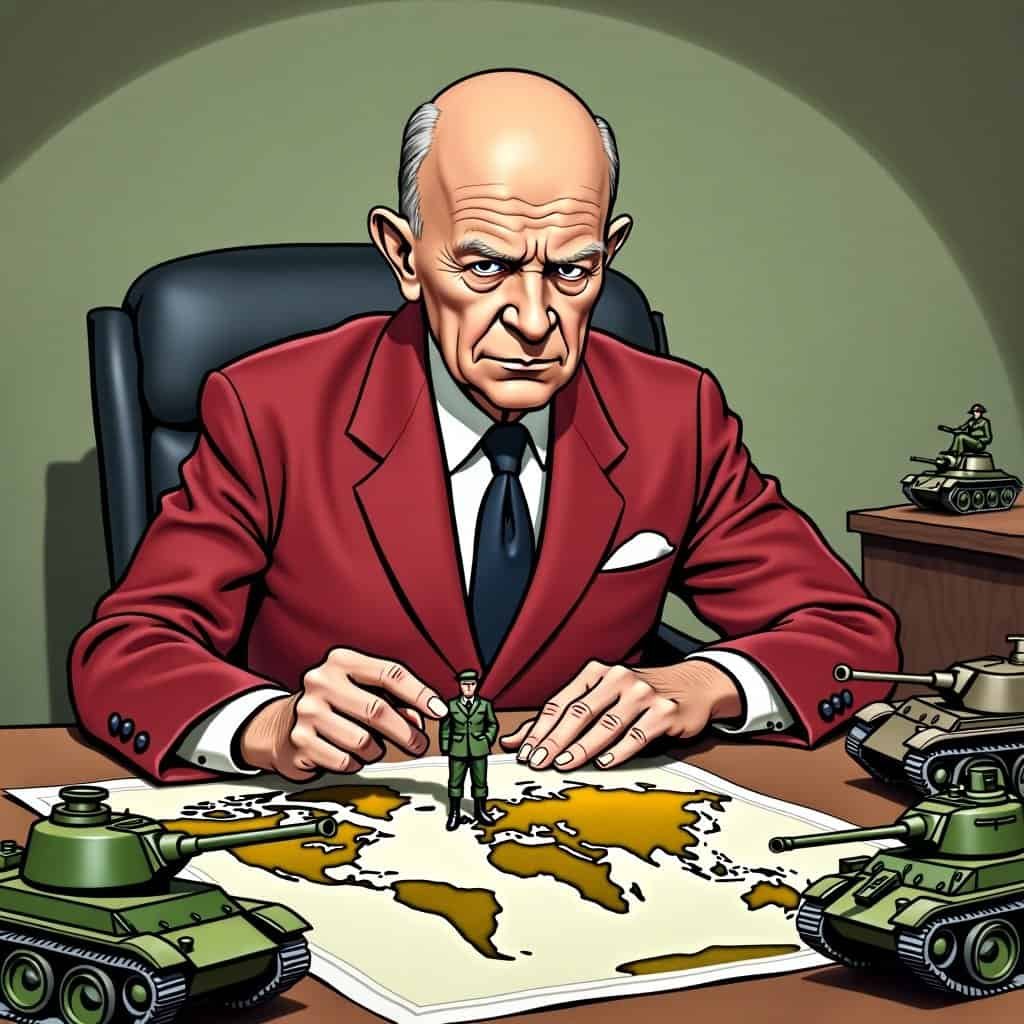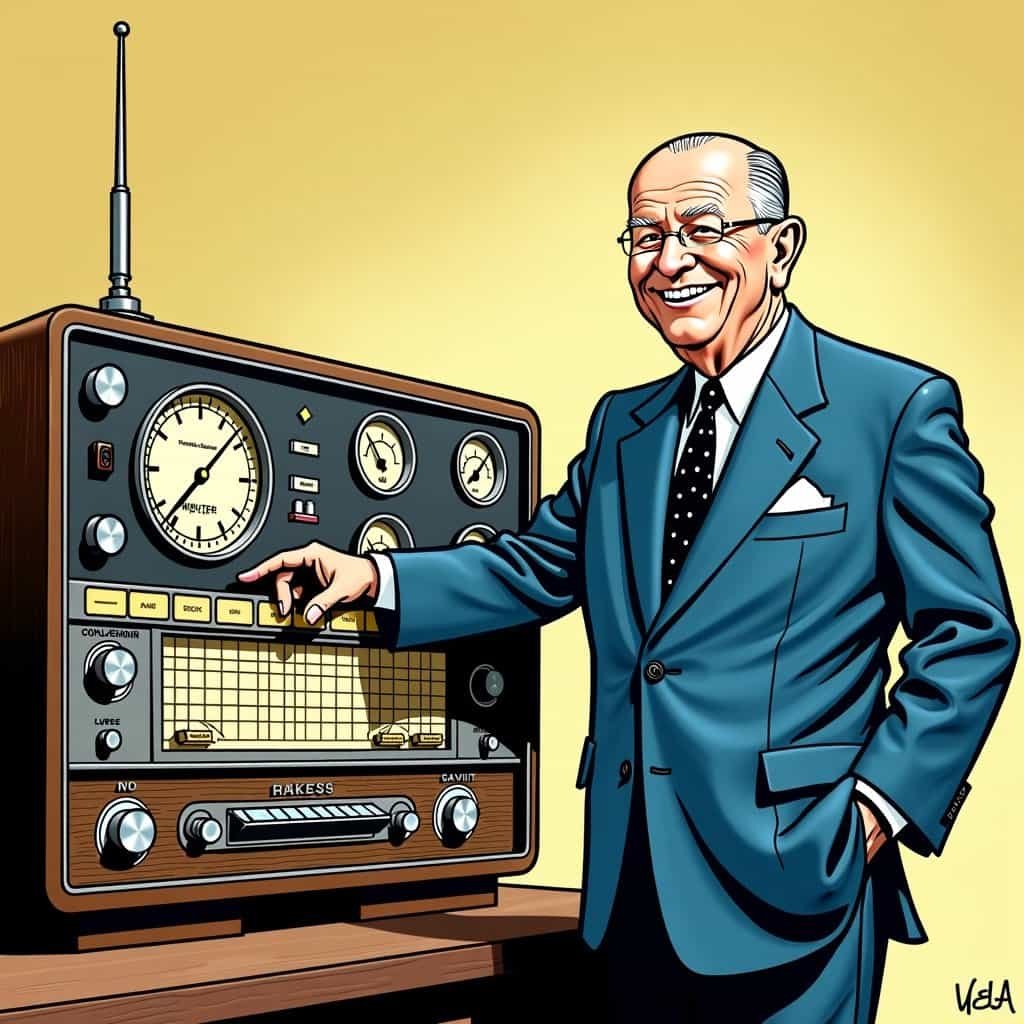
Ah, Dwight D. Eisenhower, the era’s bright star who mixed a hefty dose of common sense with his saxophone sound bites and civil defense strategies. The average Joes of the 1950s weren’t just sipping soda pops at drive-ins; they were stocking up on canned soup for a rainy day – or in Eisenhower’s time, a potential nuclear drizzle.
Let’s talk about civil defense. Imagine 1950s America—tailfins on Cadillacs and backyard bunkers sprouting up like daisies. This wasn’t just a fad; it was a plan. And pulling the strings was good ol’ Ike himself. The man knew that defense isn’t just about military muscle but also about keeping society’s wheels spinning, even in sleepy suburbs. Isn’t that why we still pack those disaster kits today?
Eisenhower’s Vision: Self-Reliance and Civil Defense
Eisenhower was a leader who truly believed in self-reliance, backing civil defense programs with gusto. His administration, like a radio blasting safety jingles, was dead set on baking emergency protocols into every American’s morning routine. No red tape here, just good old-fashioned individual preparedness. The idea was straightforward: plan wisely now to avoid becoming tomorrow’s chaos magnet. Unlike today’s policy potpourri promising safety nets that often fall flat, Eisenhower’s vision was all about giving citizens the tools to take care of themselves.
“The idea was straightforward: plan wisely now to avoid becoming tomorrow’s chaos magnet.”
Empowering Citizens: The American Way
There’s something wonderfully American about letting folks defend and care for themselves. It’s like handing John Wayne a six-shooter and saying, “You’re in charge now, pardner.” Eisenhower’s civil defense strategy was ripped straight from this star-spangled playbook, striking a balance between government support and good old-fashioned personal responsibility.
The game plan? Train citizens to handle potential threats in their own backyards instead of twiddling their thumbs waiting for some big-wig to save the day. Can you picture today’s equivalent? Fancy obstacle courses just to end up cowering under government-issued umbrellas? No sir! Sure, the Red Scare set the stage, but sometimes a little fear is just the kick in the pants people need to get moving.
Personal Responsibility vs. Government Overreach
What’s funny is how today’s policies often gloss over the idea of self-protection. They’d rather redraw maps and pile on rules until we’re all scratching our heads, wondering who’s supposed to be looking out for whom. Eisenhower, smart cookie that he was, trusted citizens to do their part in keeping themselves safe.
This approach didn’t just beef up America’s defenses; it made sure society was always ready to roll—laying the groundwork for what real conservative values are all about: taking care of yourself and keeping the government’s sticky fingers out of your business. While today’s political whirlwind pushes for more government control, Eisenhower and those civil defense programs stood tall as a shining example of the common-sense thinking that made America tough as nails.
Eisenhower’s Civil Defense Strategy at a Glance
- ✓ Empowered citizens to take charge of their own safety
- ✓ Balanced government support with individual responsibility
- ✓ Encouraged preparedness at the local level
- ✓ Focused on practical, actionable measures
- ✓ Built resilience in communities across America
So, the next time you’re hunkered down in your storm cellar, flashlight in hand, think about Ike’s legacy. You’re not just holding a light; you’re carrying the torch of American independence, protecting the very essence of what makes this country great. Isn’t it about time we tipped our hats to the perfect blend of government support and good old-fashioned grit that Eisenhower championed? His legacy shines bright for those who see the value in keeping your own house in order.
Table of Contents
- Eisenhower’s Vision: Self-Reliance and Civil Defense
- Empowering Citizens: The American Way
- Personal Responsibility vs. Government Overreach