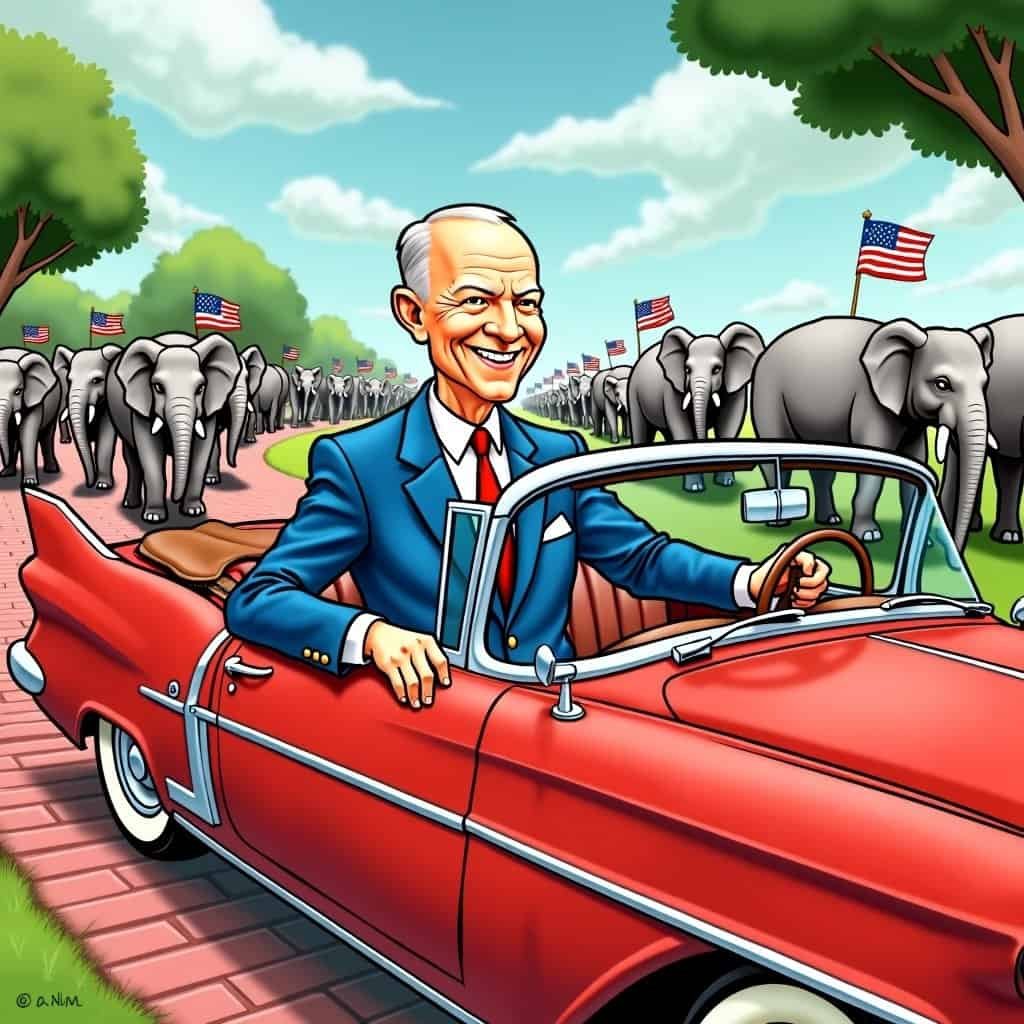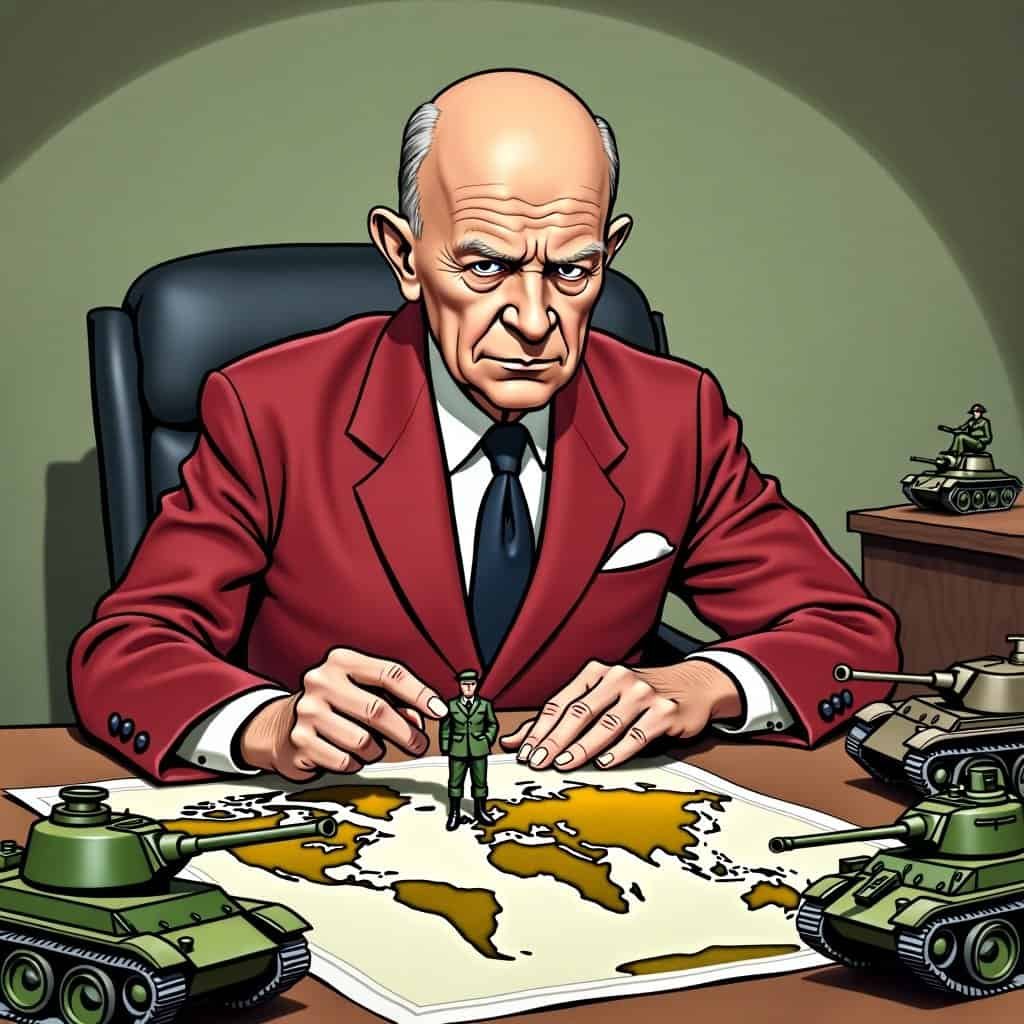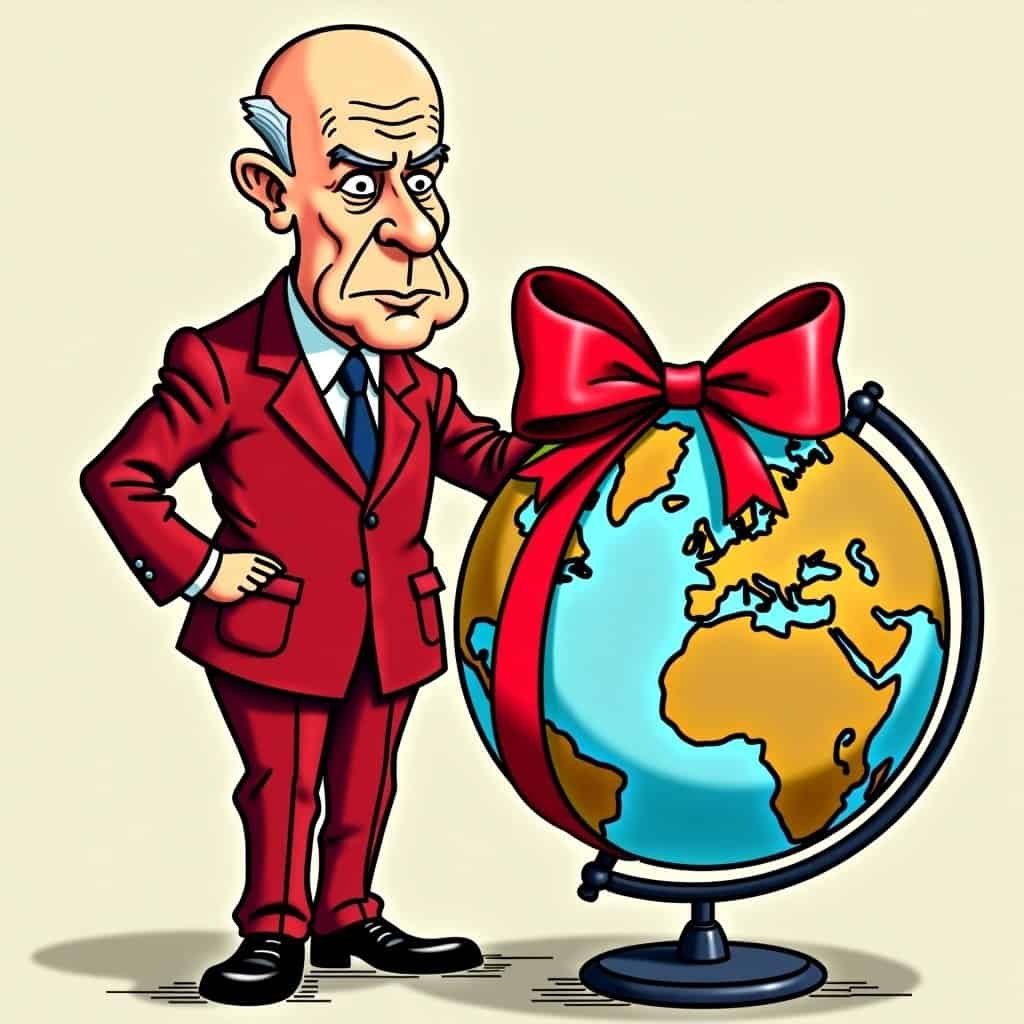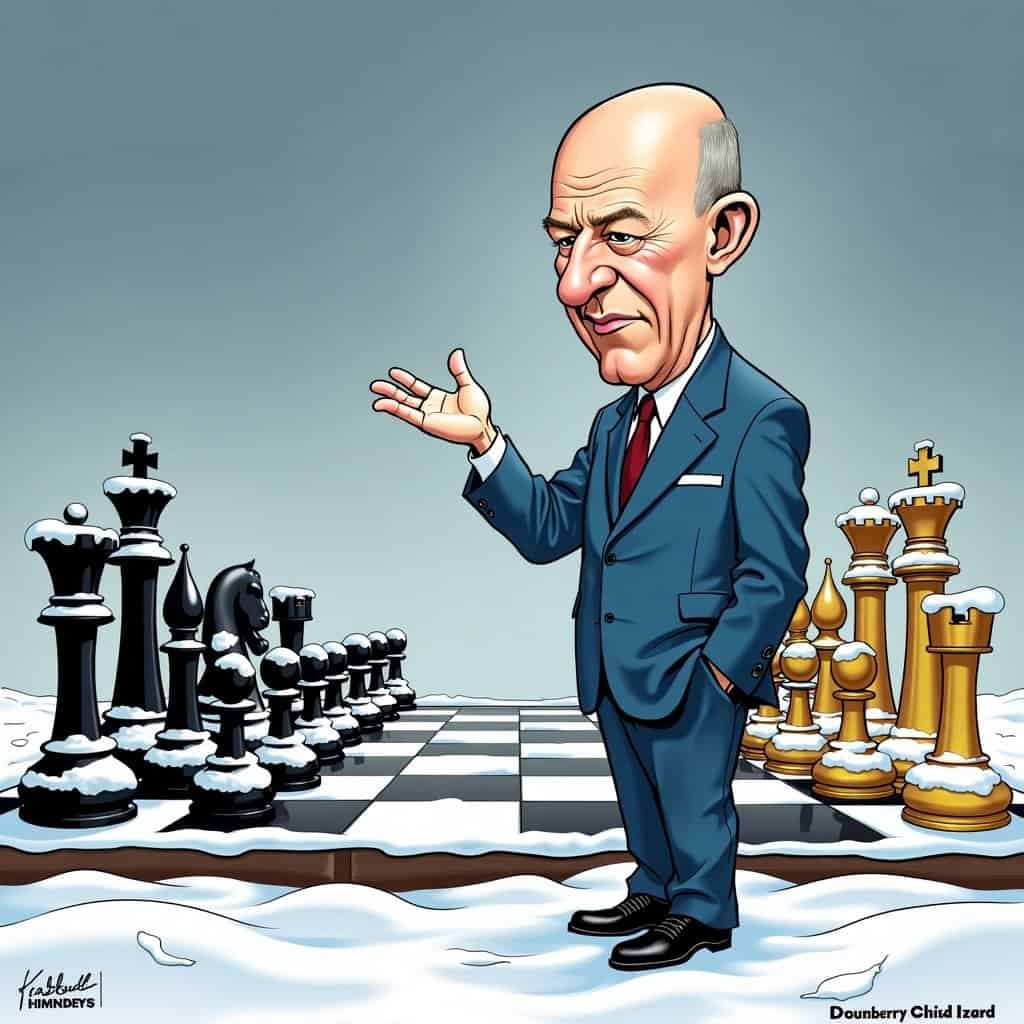
Ah, Dwight D. Eisenhower—a name that rings out in the halls of sound conservatism and practical political action. While the left keeps itself busy with keyboard warrior outrage and hitching their wagons to social experiments, we conservatives have our own legend to look back on, good old Ike and his spot-on cultural diplomacy efforts.
Imagine it’s 1953: Ike just took office and the world after World War II was as jumpy as a long-tailed cat in a room full of rocking chairs. Now, Eisenhower, a man who knew his stuff in both war and peace, didn’t just sit around twiddling his thumbs. Nope, he cooked up a real humdinger of a diplomatic tool—cultural engagement.
While the liberals were all in a tizzy about bigger government, Eisenhower pulled off his masterstroke—the People-to-People Initiative. He figured out that while missiles and budgets might win wars, it’s things like mutual respect and understanding that keep the peace. It was time to charm the socks off the globe!
Eisenhower’s Cultural Diplomacy: A Symphony of American Values
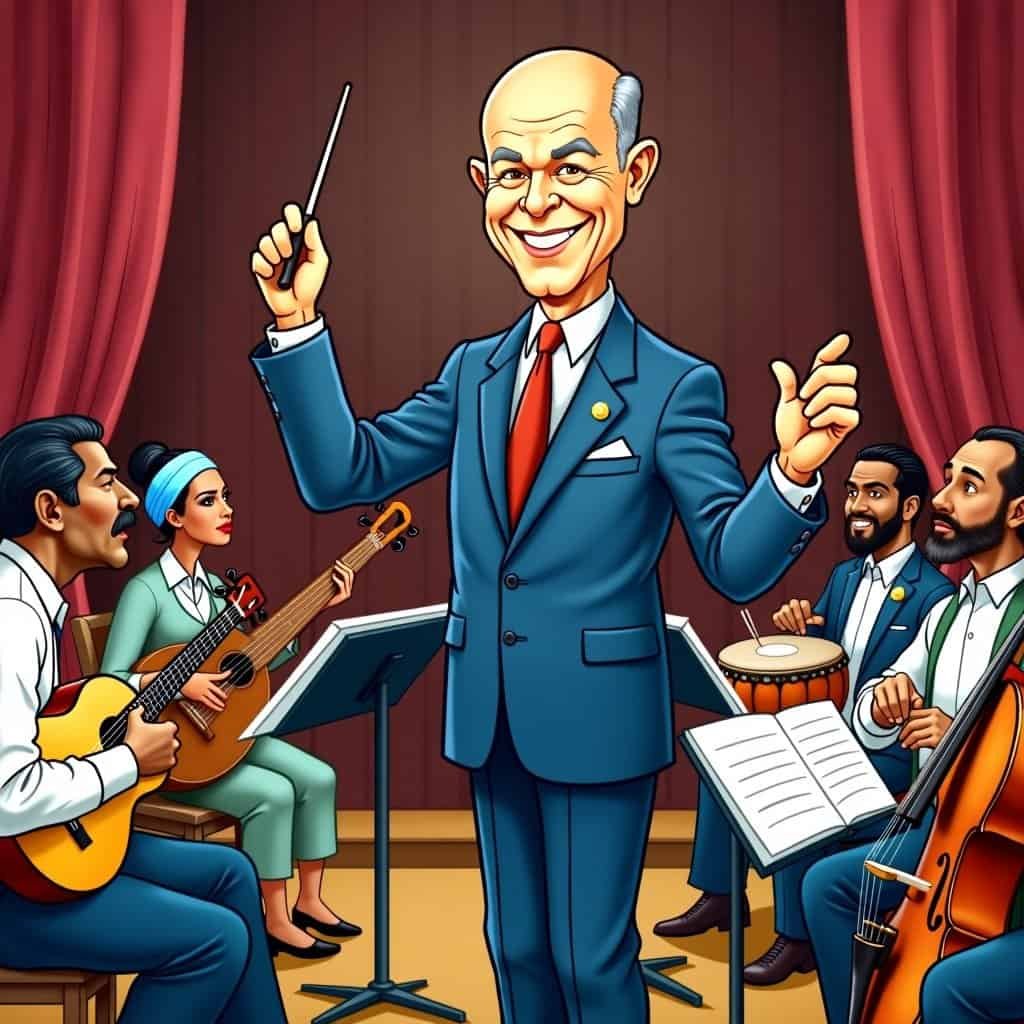
We can’t forget how ‘General Ike’ cleverly used these cultural exchanges to boost the United States’ reputation worldwide, and all without getting tangled up in red tape. Unlike today’s overstuffed policies, Ike wielded culture like a maestro’s baton, getting global citizens to dance to the American tune without missing a beat.
Eisenhower’s Cultural Diplomacy Toolkit
- People-to-People Initiative
- Cultural exchanges (artists, academics, musicians)
- Promotion of American values
- Emphasis on mutual understanding
- Soft power approach
Under Eisenhower’s cultural diplomacy, you’d find not just singers, artists, and academics heading abroad but the very essence of conservative diplomacy—that the best way to outmaneuver adversaries is through a mix of good conversation and trustworthiness. It’s like honey and vinegar; diplomacy doesn’t have to leave a bad taste if the right folks are stirring the pot!
And boy, was Ike clever! When it came to playing the cultural game, he was the conductor, syncing America’s grand symphony of freedom and opportunity with the local tunes of many nations. Now that’s what I call a political ballet, not the heavy-handed mandates and sour sanctions we see today.
Eisenhower’s Legacy in Today’s World
Let’s take a moment to ponder. Would Ike’s across-the-aisle approach fly in today’s noisy political circus filled with progressive bumper-sticker slogans? Just picture it: a GOP hero convinced that a friendly grin and a bit of American jazz could go as far as an aircraft carrier.
There’s a reason Eisenhower is remembered as both a military whiz and a cultural maestro. It’s a mix of guts, smarts, and a heap of wisdom—something we could use more of today amid all the hollering for quick fixes and one-size-fits-all solutions.
Eisenhower’s Approach vs. Modern Diplomacy
| Eisenhower’s Era | Modern Era |
|---|---|
| Subtle cultural exchanges | Social media diplomacy |
| Person-to-person initiatives | Government-led programs |
| Focus on mutual understanding | Emphasis on economic sanctions |
| Soft power approach | Hard power tactics |
You see, conservative values aren’t just stuck in the past; they’re as relevant as ever. With all the chatter about the government growing like kudzu, Eisenhower reminds us how important local power and personal initiative are in shaping a nation’s future, just as much as global diplomacy.
In Ike’s day, the fine art of diplomacy wasn’t drowned out by propaganda parades or social media echo chambers. The Eisenhower name stands for keeping it simple but getting results, a story worth telling in these complicated times. So next time you think about cultural diplomacy, remember—it was Eisenhower who hit the diplomatic dance floor and led the show with pizzazz, class, and a star-spangled twinkle in his eye.