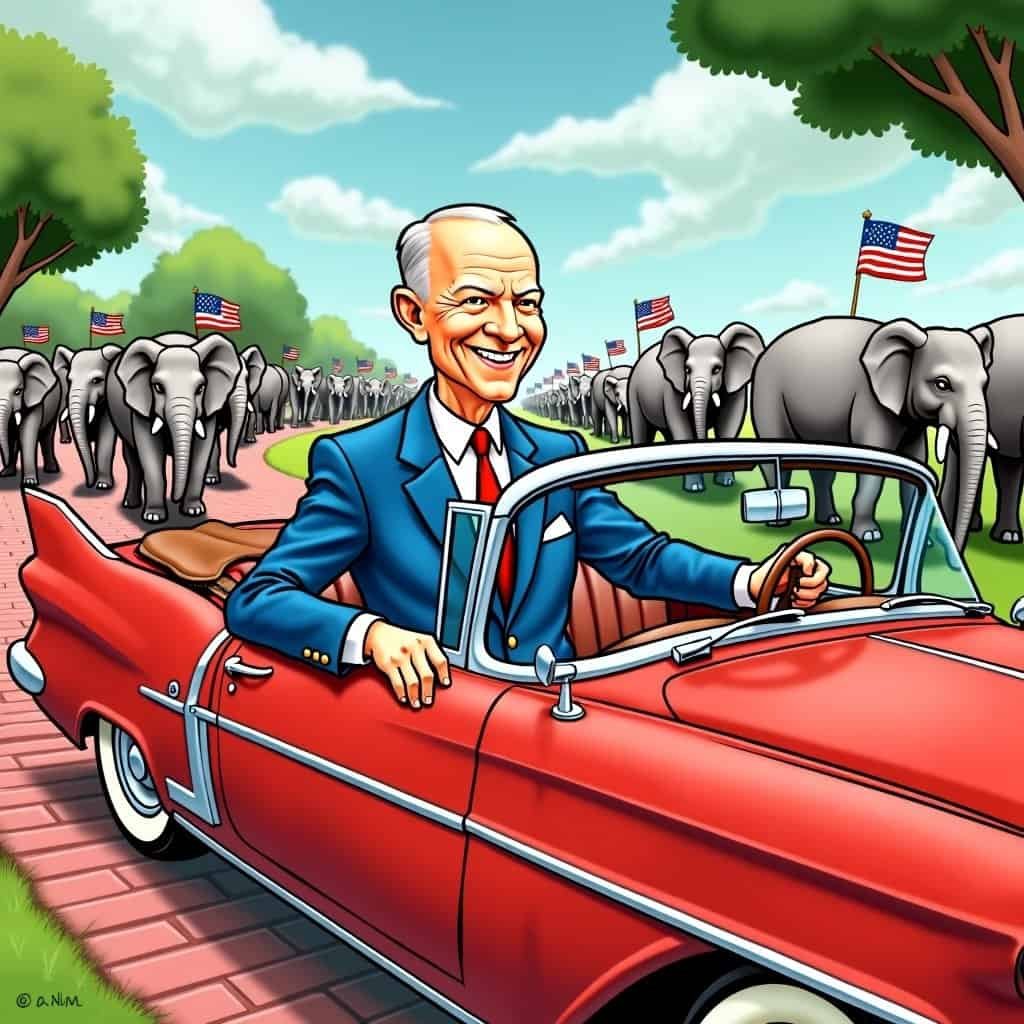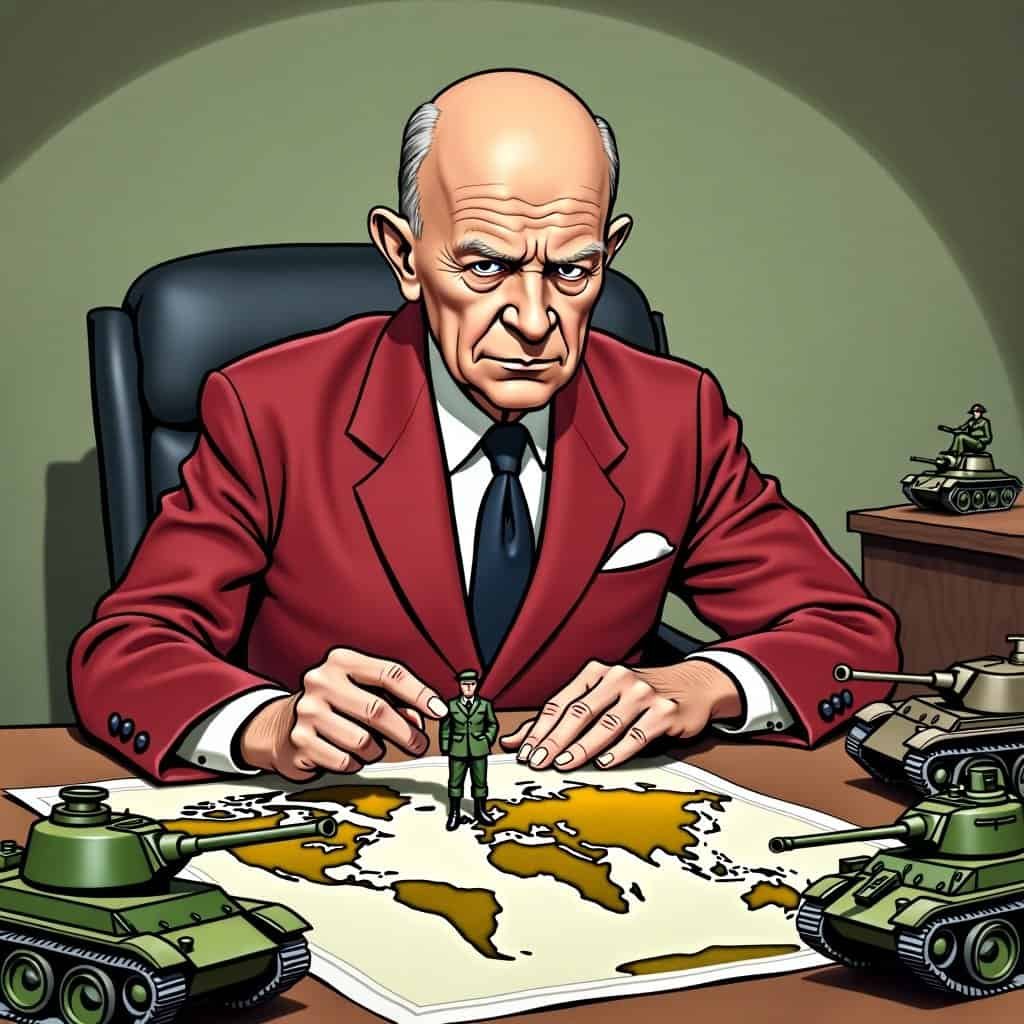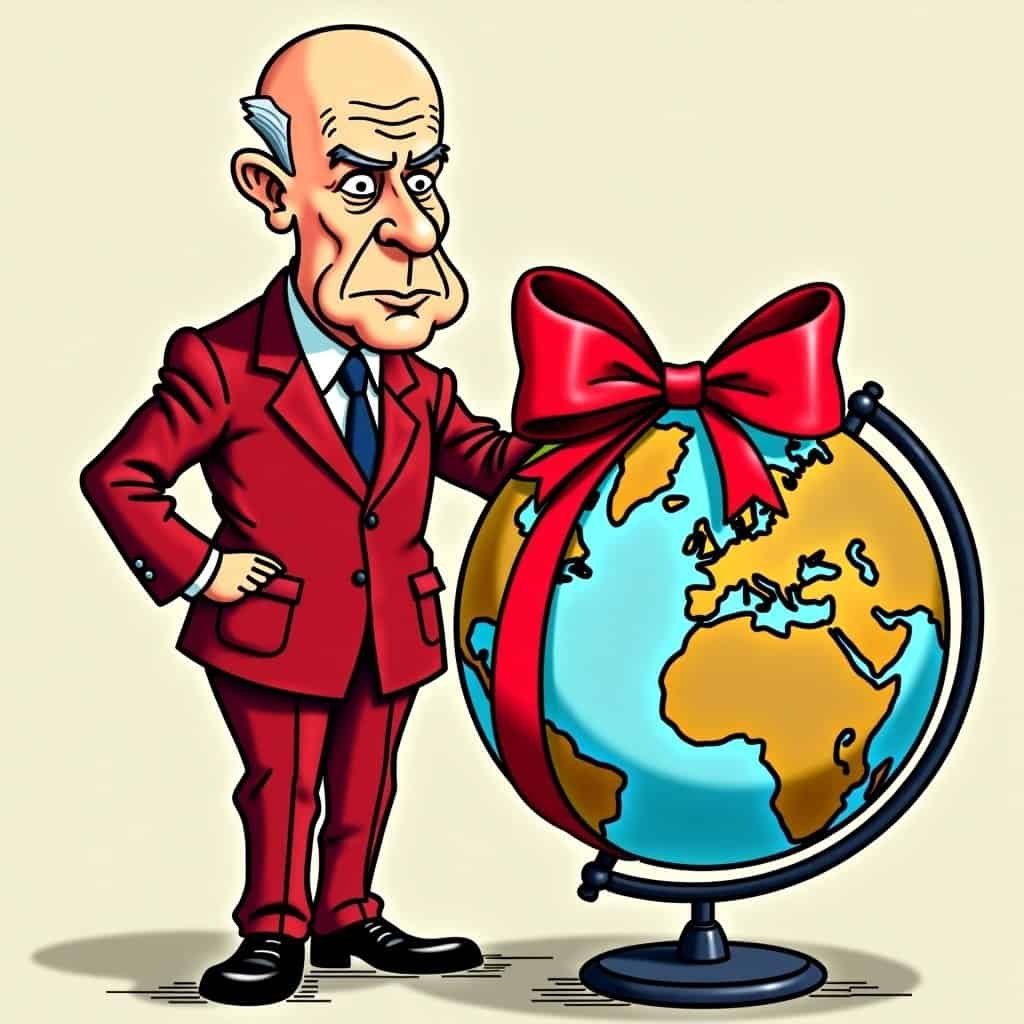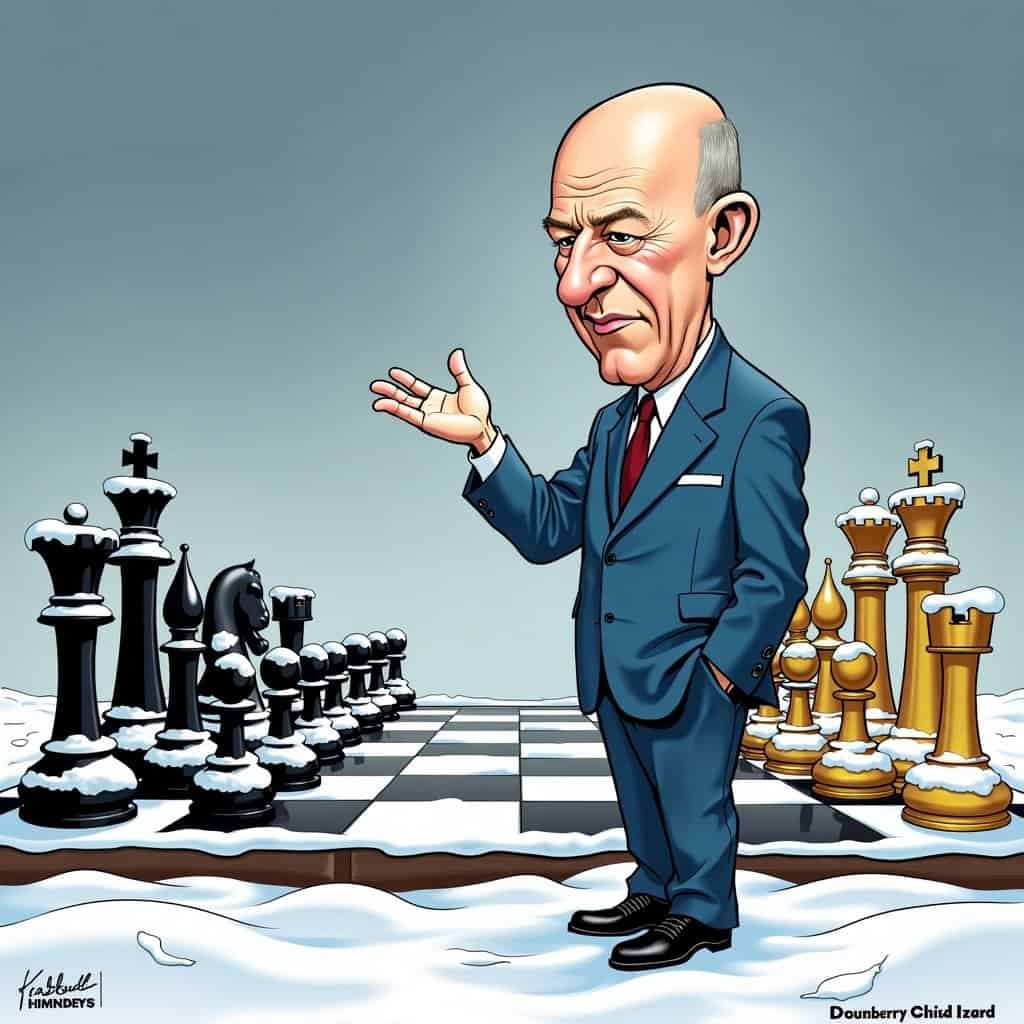
Ah, the tale of Dwight D. Eisenhower and his foreign aid strategy. It’s like a classic sitcom, but the audience is an entire nation, and the stage is the world—pass the popcorn!
Eisenhower, or “Ike” as his buddies called him, was famous for his military skills and grandfatherly charm. But when it came to foreign aid, let’s just say the man had a plan that would make even his golfing pals raise an eyebrow.
Now, before you folks on the other side of the political fence get all excited about the idea of “expansion,” it’s worth noting this isn’t your typical progressive scheme. Nope, Ike wasn’t putting on a cape to throw money at the world while singing “We Are The World.” Instead, he saw foreign aid through the eyes of good old conservative values: beefing up alliances, keeping things stable, and making sure those pesky reds stayed in their lane.
Eisenhower’s Foreign Aid Strategy
So, what was Dwight’s big move? Well, it was more like making sure America wasn’t stuffing all its cash into one piggy bank. Eisenhower’s plan was all about getting the most bang for Uncle Sam’s buck (a concept that might seem alien to certain modern administrations). He sharpened the focus of aid by adding a little caveat: it had to line up with American interests. Think of it as Volunteerism 101 — none of that willy-nilly handout stuff that only comes with strings attached when you’re trying to clean out the craft cupboard!
Eisenhower’s Foreign Aid Principles
- ✅ Align with American interests
- ✅ Promote stability in strategic regions
- ✅ Strengthen alliances against communism
- ✅ Efficient use of resources
- ✅ Encourage democratic values and free enterprise
The Marshall Plan, that big ol’ economic booster shot that brought Europe back from the brink, was winding down when Ike stepped in. His idea was to offer aid that might save a country from falling for the sweet talk of communism. Because nothing says “democracy” quite like spreading a modest Republican love of freedom and business!
Now, while Eisenhower definitely believed in the power of a well-timed “thank you” note across the globe, he wasn’t about to crack open Fort Knox for a worldwide allowance plan. Instead, his ‘expansion’ meant pinpointed assistance, which was basically a smooth mix of goodwill with a healthy dose of practical self-interest. After all, who better than Ike to get the balance right? The guy who led D-Day wasn’t about to take wild chances with America’s wallet.
Lessons for Today’s Fiscal Policies
Funny enough, today’s big spenders could learn a thing or two from Ike’s playbook. Rather than relying on huge aid packages that blow up national debt faster than a kid with a balloon and too much birthday cake, a bit of Eisenhower wisdom could keep Uncle Sam from being tied to everyone’s apron strings.
Eisenhower vs. Modern Foreign Aid Approaches
| Aspect | Eisenhower’s Approach | Modern Approach |
|---|---|---|
| Focus | Strategic and targeted | Often broad and unfocused |
| Alignment | With American interests | Sometimes divergent from US interests |
| Fiscal Impact | Controlled spending | Often contributes to debt |
| Long-term Vision | Stability and alliance-building | Varied, sometimes short-sighted |
To wrap it up, under Eisenhower’s watch, aid wasn’t about expansion in the bloated sense. It was about making sure that money wasn’t on a world tour but rather a smart deployment of American ideals, energy, and a few well-placed greenbacks. Because sometimes, it’s better to whisper sweet nothings of freedom efficiently, rather than shout across the ocean while tripping over the checkbook.
So next time you hear the word “expansion,” think of Eisenhower’s version—smart, strategic, and unmistakably conservative at heart. And maybe, just maybe, even the big spenders with their alphabet soup agencies should take a moment to ponder the wisdom of Ike, our grand old general.