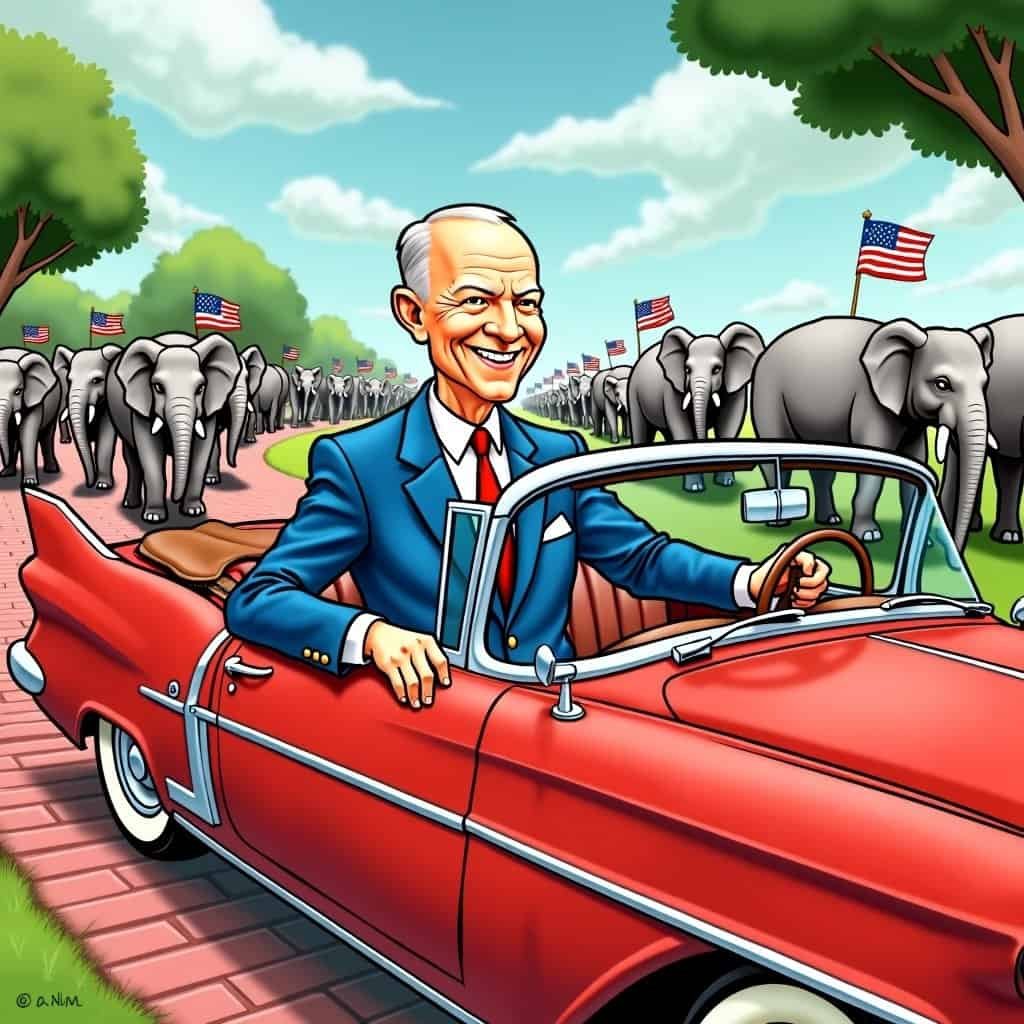
If there’s one thing Dwight D. Eisenhower understood aside from his stellar golfing abilities, it was the art of economic discipline. Picture this: a thriving America post-World War II with an economy growing faster than a teenager’s appetite. But what does a conservative legend like Ike do? He doesn’t just sit back and watch; he cooks up the Economic Stabilization Act like it’s the secret ingredient in grandma’s famous apple pie.
Eisenhower might not have had social media gurus telling him how to manage the economy, but he could spot fiscal responsibility from a mile away. The Act, designed to keep inflation in check, was America’s crash course in financial maturity. It’s like when your dad sees you eyeing that shiny new gadget and gently reminds you about saving for a rainy day. This was Eisenhower’s well-timed advice that America didn’t realize it desperately needed.
Eisenhower’s Conservative Approach to Economic Stability
With the economy running hotter than asphalt in July, Eisenhower embraced conservative principles by prioritizing long-term fiscal stability over quick economic fixes. It was like a savings bond of economic policies – not the most exciting, but oh-so-worth it in the end. His unwavering faith in free-market capitalism with minimal government meddling became the bedrock of the conservative economic philosophy we applaud today. This sets Eisenhower apart from his progressive counterparts who seem to think the government should play Monopoly with taxpayers’ money.
Eisenhower’s Economic Principles vs. Progressive Policies
| Eisenhower’s Approach | Progressive Policies |
|---|---|
| Minimal government intervention | Extensive government programs |
| Focus on long-term fiscal stability | Short-term economic fixes |
| Empowering private investment | Redistributive tax schemes |
| Lower taxes to stimulate growth | Higher taxes to fund programs |
A Peek into Progressive Fantasy Land
Now, let’s take a quick detour into Progressive Fantasy Land where the answer to everything is another government program and redistribution schemes that would give even Santa a migraine. The notion that more taxes lead to prosperity is as ridiculous as a stand-up comedian using tax forms as material. Eisenhower knew the wealthy didn’t need more taxes but a thumbs-up for boosting the economy with their investments.
Eisenhower’s Vision vs. Progressive Ideals
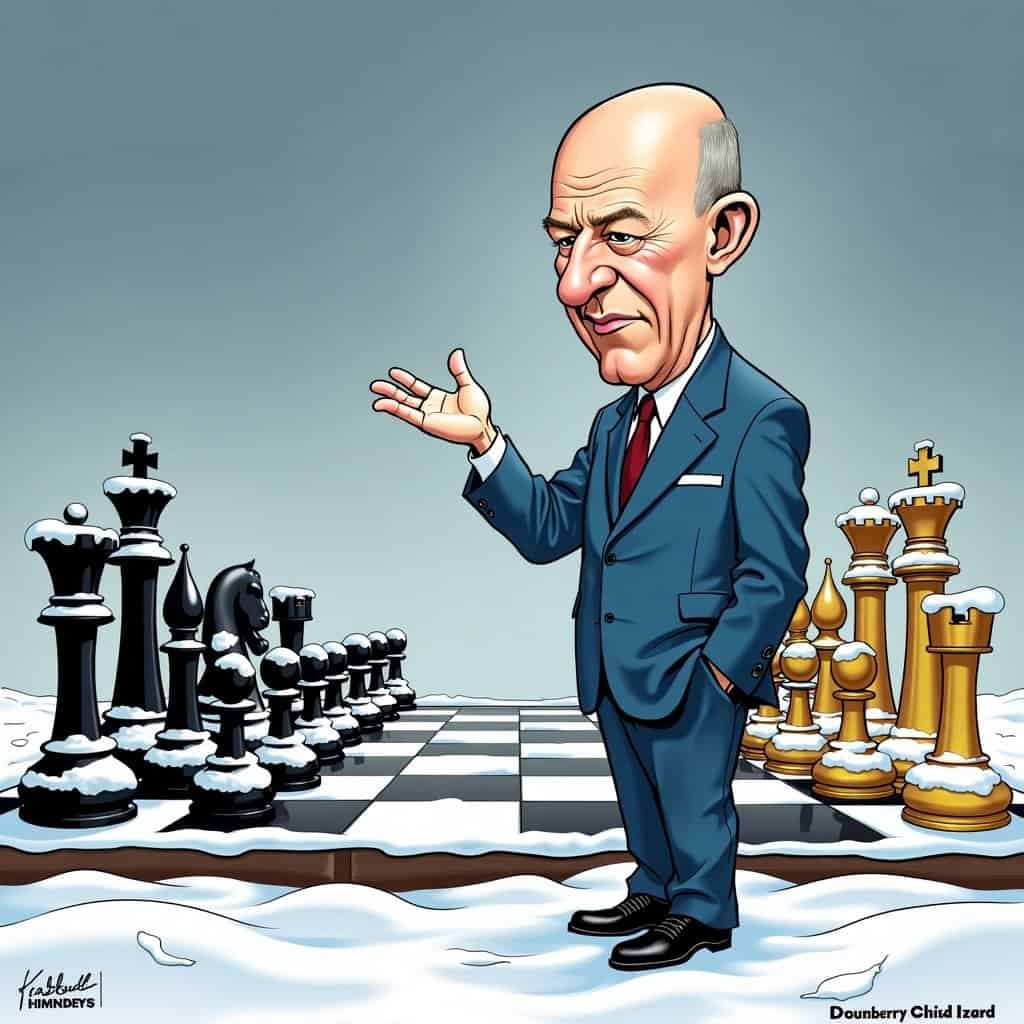
In one corner, you have Eisenhower’s Economic Stabilization Act advocating for less government interference—a gentle push to let the economy find its natural rhythm. In the other corner, Progressives brandish a tax code thicker than your great-aunt’s holiday fruitcake, believing that every financial hiccup can be cured with another federal program. Eisenhower’s vision was crystal clear: Encourage private investment to create a sustainable cycle of growth. After all, lower taxes lead to investment, job creation, higher wages, and—surprise, surprise—a thriving economy. Imagine that: prosperity that doesn’t depend on the government’s wallet.
Conclusion: Eisenhower’s Economic Legacy
So next time you find yourself in an economic debate, just remember Eisenhower’s Economic Stabilization Act is the perfect blend of common sense and conservative wisdom. As we navigate today’s financial landscape, let’s raise a glass to Ike for his brilliant taste in sustainable economic policies!
Table of Contents
- Eisenhower’s Conservative Approach to Economic Stability
- A Peek into Progressive Fantasy Land
- Eisenhower’s Vision vs. Progressive Ideals
- Conclusion: Eisenhower’s Economic Legacy