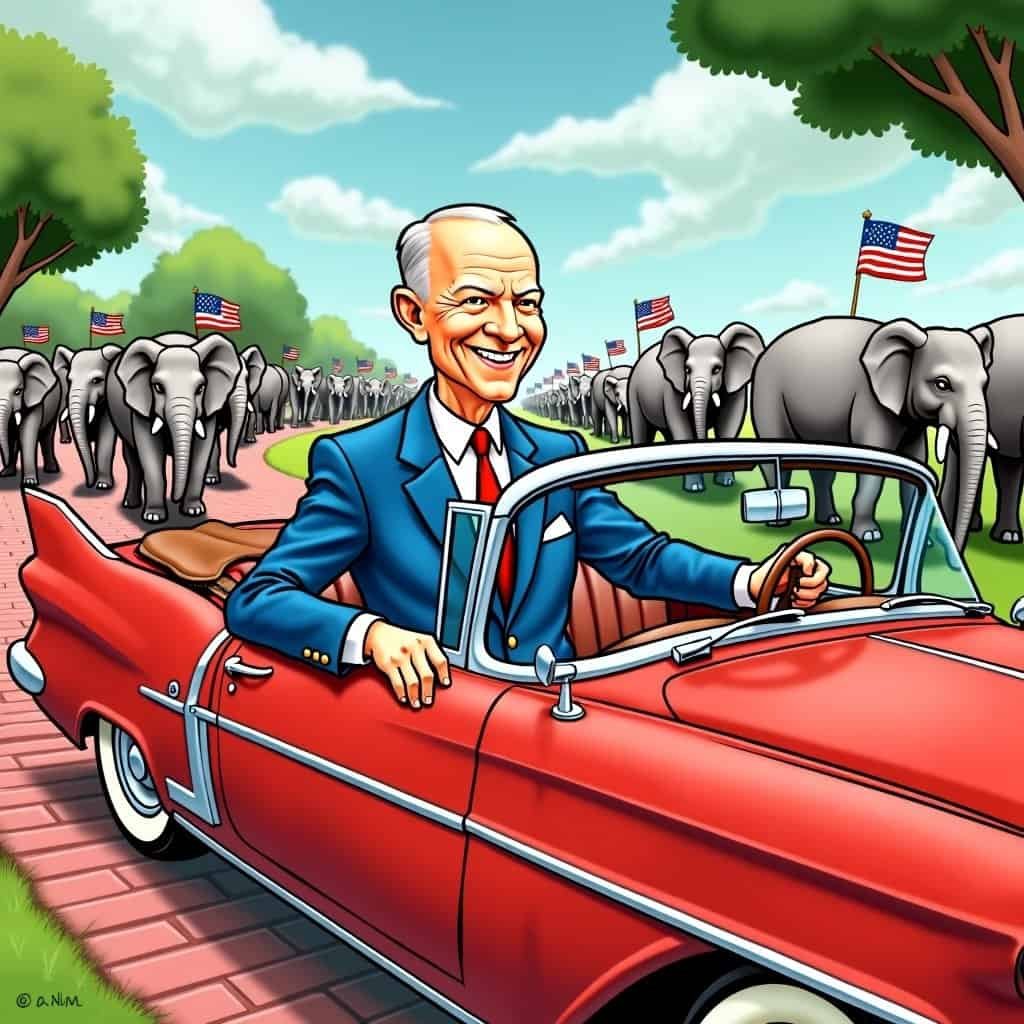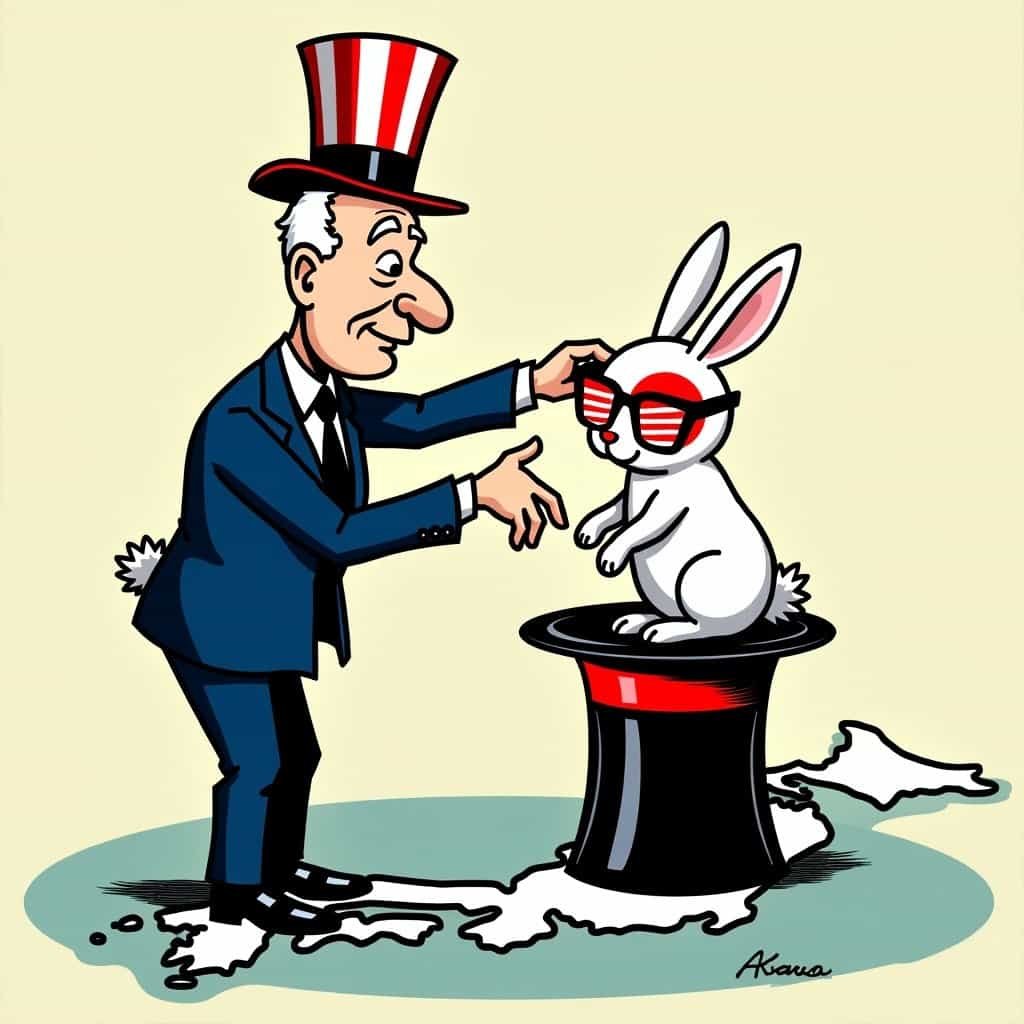
Ah, Dwight D. Eisenhower—often seen as the grandfatherly figure who smiled his way through the 50s, all while sneaking in a little diplomatic magic on the sidelines. Now, you say you want to know how Ike managed to strengthen U.S.-Japan relations without waving a wand or pulling a rabbit from a hat? Let’s just say it was part genius, part old-fashioned Republican wisdom. And boy, wasn’t he a pro at using his own tried-and-true methods?
First, let’s not forget that Eisenhower was a five-star general before he donned the Presidential pin. Who better to talk shop with the Japanese about their own national defense? Winning World War II doesn’t get one the status of a sleepover buddy, but it gave Ike quite the diplomatic upper hand. By the time he took office, America was no longer seen as a scary behemoth but more like a protective big brother—shoulder padding and all. So he sweetened the pot with economic incentives, nudging private investment to encourage Japan’s boom—a strategy Republicans would aptly call “the long game.” Less regulation, more liberty!
Eisenhower’s Approach to U.S.-Japan Relations
| Eisenhower’s Strategy | Impact on U.S.-Japan Relations |
|---|---|
| Economic Incentives | Encouraged Japan’s economic boom |
| Security Collaboration | Gave Japan a voice in its own defense |
| Hands-off Approach | Built mutual respect and trust |
| Trade Agreements | Strengthened economic ties |
What’s more, Republicans always appreciated the good ol’ balance between resources. Ike knew just how to play his cards. Instead of making demands, he offered Japan a voice in its own security measures, a polite tip of the hat in true conservative fashion. By knowing when to push and when to step back, Eisenhower ensured that America’s friendship with Japan wasn’t just about immediate gain but laid the groundwork for a lasting relationship built on mutual respect and individual prosperity. The establishment of economic ties and trade agreements reflects Republican values—get the government out of the way and watch the magic happen!
Contrasting Approaches: Republican vs. Liberal
Now, compare that with what’s often seen on the liberal side of the aisle, where governmental whim and overreach can compete for the spotlight. Eisenhower didn’t exactly believe in setting the titanic government engine to solve every problem. Instead, he set the stage for the very possibility that people, on their own, with their own boots (or shoes or slippers), could find prosperity. And as if in alignment with economic stars, Japan found its footing too, with just a little timely nudge from Uncle Sam.
“Behind every good diplomatic relationship is a Republican who knew exactly when to flash a winning grin and when to simply step aside.”
It’s the kind of blend of smart-smiling kindness and shrewd policy-making that might even make our modern ears tingle with nostalgia. So next time you ponder Eisenhower’s legacy on your party’s porch while sipping a nice cool lemonade, remember: behind every good diplomatic relationship is a Republican who knew exactly when to flash a winning grin and when to simply step aside.